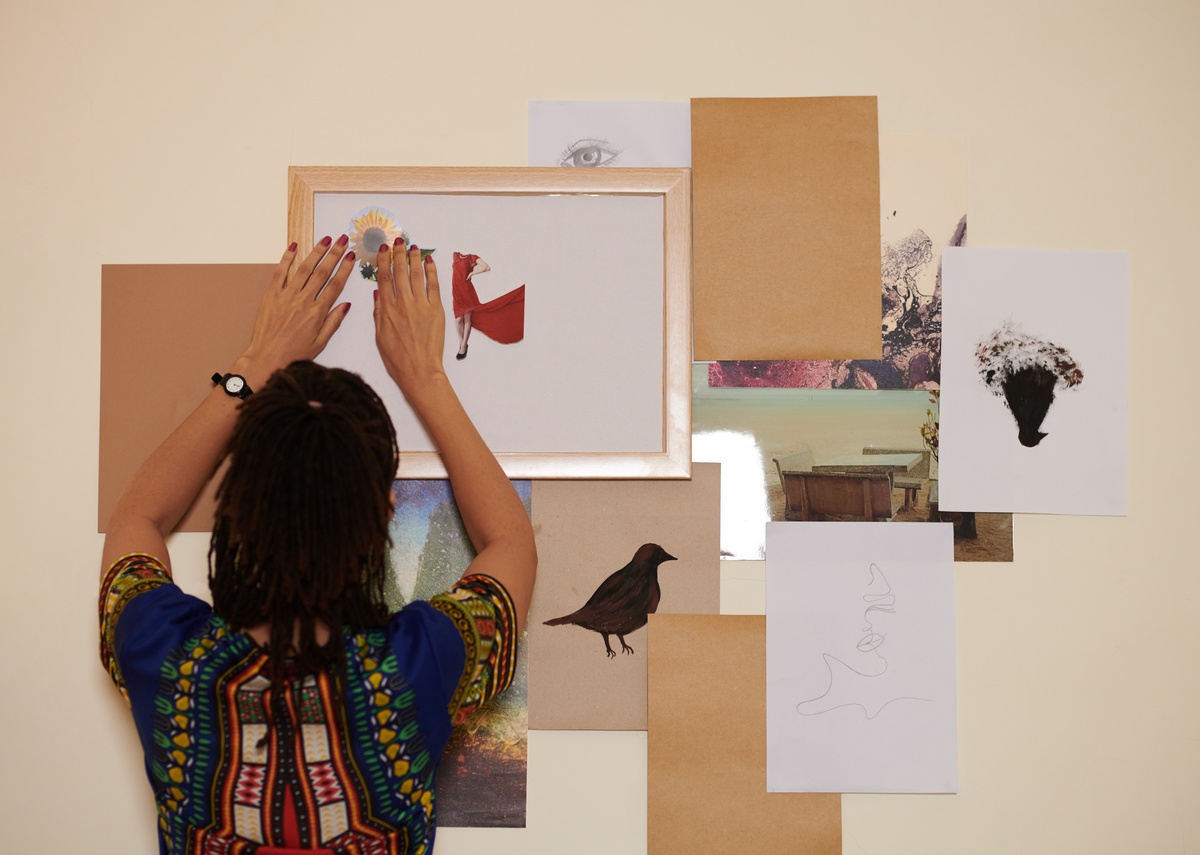
Messy moodboards usually begin with one strong idea and one innocent saved image. After a few late-night saves, the board starts to feel less like direction and more like visual noise with better lighting. The problem sneaks up on creative people who need a clear path from early inspiration to finished work. Here’s what to do when your creative moodboard gets messy, and the work starts talking over itself again.
Find the Original Idea Again
Start by asking what the board was meant to solve before every good-looking reference joined the party. A photographer planning an editorial shoot might return to a single phrase, such as “soft tension” or “old Hollywood after midnight,” then use it as a filter for every image.
A gallery team planning an exhibit might focus on the viewer’s first impression instead of every possible wall pairing. Once the main idea feels clear again, weaker references usually reveal themselves.
Separate Inspiration From Instructions
A messy moodboard often mixes creative sparks with firm project decisions. Keep loose inspiration in one area, then give approved choices a separate place so your brain does not treat every image as equally important.
An actor building a character board might keep emotional references apart from wardrobe notes, while an architect might move material samples away from early concept sketches. For spatial projects, using magnetic boards for architectural planning offers a useful way to keep visual decisions flexible as the concept evolves.
Cut the Repeats First
Repetition makes a board sound louder than it needs to. If six photos show the same shadow, keep the one with the strongest mood and move the rest into an archive folder. A musician shaping album visuals might choose one stage-light reference instead of saving every blue haze photo from the same search. This quick edit helps the board feel intentional again without forcing you to start over.
Give Every Image a Job
Each image needs a reason to stay, even if the reason feels small. One photo might guide texture, while a sketch might explain movement better than a polished reference. If an image looks cool but doesn’t contribute anything or guide the project, save it for a future idea.
Creative people love a beautiful distraction, which explains half the internet and most cluttered studio walls. Revisiting your images regularly keeps your board relevant and focused on your project.
Build a Cleaner Working Version
After editing, create a smaller working board for the project. A museum team might keep the installation plan near the strongest visual references before a planning meeting. Designers can print the final palette and main material samples, leaving extra inspiration in a digital folder. Practicing these strategies on what to do when your creative moodboard gets messy helps keep your project on track, making the process more enjoyable and less overwhelming overall.