Woodworking rewards patience and precision, but small habits often shape the final result. If you want cleaner joints, smoother finishes, and fewer mistakes, you need practical techniques that fit your workflow. The tips below focus on control, consistency, and smart tool use, so you can build projects that look professional without overcomplicating your process.
Start with Accurate Measurements
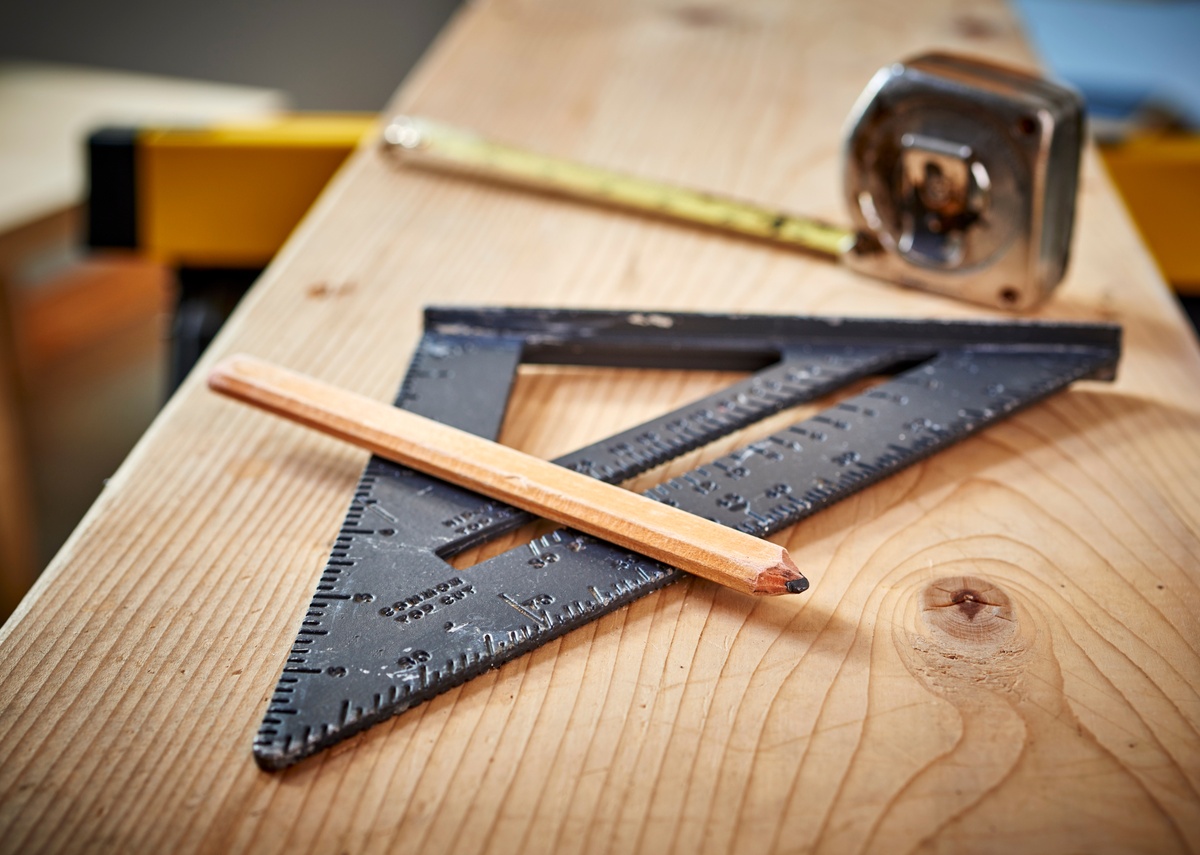
Accurate measurements set the foundation for every project. Measure twice and mark clearly before you cut. Use a sharp pencil or marking knife for crisp lines. Check your square regularly, because a slight error compounds quickly. When you cut parts, keep your blade aligned and let the tool do the work.
Improve Your Tool Control
Good tool control reduces tearout and improves accuracy. Grip your tools firmly but avoid tension in your hands. Maintain steady pressure and consistent speed while you cut or sand. Keep your blades sharp, because dull edges force you to push harder and lose precision. Practice on scrap wood before you start a final piece.
Choose the Right Materials
Quality materials improve results immediately. Select straight boards with minimal warping or knots. Let wood acclimate to your workspace before you cut, because moisture changes dimensions. Match wood species to your project goals, since hardness and grain affect durability and appearance.
Strengthen Joints and Bonds
Strong joints keep projects stable over time. Test your joints dry before you apply glue. Clamp evenly and wipe excess adhesive right away. Many woodworkers explore using epoxy in woodworking to fill gaps, reinforce joints, and create durable bonds. Measure epoxy carefully and mix thoroughly for consistent curing.
Sand and Finish Like a Pro
Sanding shapes the final feel of your project. Start with a coarser grit and move gradually to finer grits. Always sand with the grain to avoid scratches. Clean dust between passes, because debris ruins smoothness. Apply finish in thin coats and allow proper drying time between layers.
Keep Your Workspace Organized
An organized workspace saves time and prevents mistakes. Arrange tools within easy reach and store materials neatly. Good lighting helps you see details clearly, which improves accuracy. Sweep regularly to remove debris that could affect cuts or finishes.
Quick Habits That Boost Results
Small habits add up fast. Try these simple actions:
- Check blade alignment before every major cut
- Label parts as you go to avoid confusion
- Test finishes on scrap before application
- Tighten clamps gradually for even pressure
- Keep a notebook for measurements and adjustments
Build Consistency Over Time
Consistency turns good woodworking projects into great ones. Set up repeatable processes for cutting, sanding, and assembly. Track what works and refine your approach with each build. You will notice steady improvement as your habits become automatic.
Focus on these techniques, and you will see cleaner results, stronger joints, and more confidence in your craft projects. Take time to evaluate each project after completion. Look for gaps, rough edges, or uneven finishes, and note how you can fix them next time. Ask for feedback from other makers, since fresh eyes catch issues you might miss. Keep practicing regularly, because repetition builds confidence and sharpens your skills. Over time, your workflow will feel natural, and your projects will reflect that growth clearly in every detail you create in the shop.