Should artists work for free? Learn to spot exploitation, negotiate for value, and use our professional rejection template to protect your creative career.
BY KAZEEM ADELEKE, ARTCENTRON
In the professionalized creative economy of 2026, the promise of ‘exposure’ is no longer a currency—it’s a debt. It is the carrot dangled by corporations, nonprofits, and even friends to secure high-quality work without opening a checkbook. But for any creator navigating this landscape, the question, “Should artists work for free?” isn’t a simple “yes” or “no.” It is a cold, strategic calculation.
As an investigator into the mechanics of the art business, I have seen unpaid work launch global careers and, conversely, dismantle personal finances. To thrive, you must distinguish between a genuine investment and blatant exploitation.
The Myth of the “Starving Artist”
The “starving artist” trope suggests that suffering is a prerequisite for talent. This is a dangerous narrative. It encourages clients to view art as a hobby rather than a professional service. When you work for free without a strategy, you don’t just affect your bank account; you lower the artist market value for everyone in your field.
Common Red Flags to Watch For:
- The “No Budget” Claim: If a company pays for marketing and rent, they have a budget. They are simply choosing not to allocate it to you.
- The Vague Promise: “This will lead to more work later.” If they won’t pay you now, they rarely pay you later.
- The Speculative Contest: Being asked to create finished work for a chance at a prize. This is high-risk, zero-guarantee labor.
When “Free” is Actually a Win
Despite the risks, there are specific scenarios where an unpaid project acts as a powerful lever. The key is to ensure you are the primary beneficiary of the transaction.
- Strategic Portfolio Building: If you are pivoting to a new medium, you need proof of concept. Pro bono projects allow you to dictate the creative direction, building a portfolio strategy that attracts the paid work you actually want.
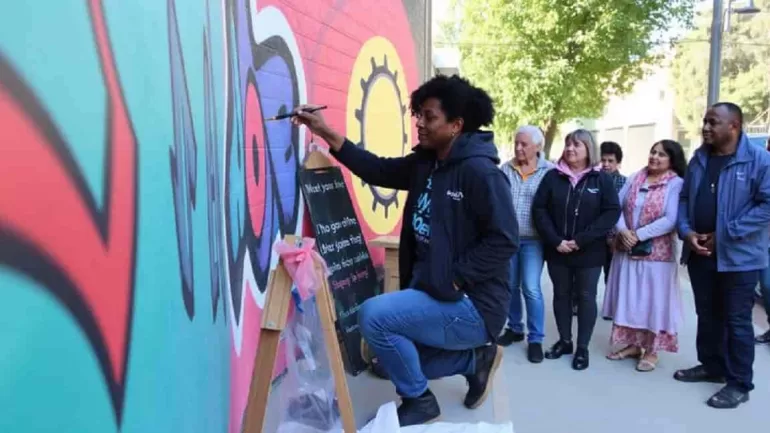
- Genuine Social Impact: Contributing skills to a cause you believe in is activism. These projects build a brand identity rooted in values and connect you with high-level donors and organizers.
- High-Value Networking: Is the project putting you in a room with decision-makers? If a collaboration connects you with a major gallery owner or creative director, the “social capital” may outweigh a small one-time fee.
How to Decline When Asked to Work for Free
When a client asks for free work and the “win” isn’t there, you must respond with clarity. Shifting the power dynamic from a “starving artist” to a business owner requires a firm, professional “no.”
Use this Professional Rejection Template to protect your time:
“Hi [Name], thank you for reaching out! I’m thrilled you’re interested in my work for [Project Name].
Currently, I am only taking on commissioned projects that align with my set rates to ensure I can provide the highest quality results. However, I’d love to find a way to work within your budget. We could scale back the scope of the project, or I can send over my standard rate sheet for you to review for future cycles.
If a budget becomes available later on, please let me know!”
Why this professional works: It assumes a budget exists, offers a practical compromise, and maintains your reputation as a professional who is “booked and busy.”
How to Negotiate When There is No Cash
If you decide a project is worth the lack of a paycheck, never treat it like a “favor.” Treat it like a business deal. Offset the lack of cash by securing:
- Ownership Rights: Retain full copyright and the right to sell prints.
- Referral Agreements: Request three warm introductions to paying clients.
- Credit & Links: Contractually mandate tags in social media and a permanent website link.
- Barter: Trade your art for services like legal advice, studio space, or gear.
The Final Verdict on the Question, “Should Artists Work for Free?”
The answer to “Should artists work for free?” is: Only when it serves your long-term goals. It should be a calculated move, not a default setting. If a project doesn’t offer a paycheck, it must offer a platform, a pivot, or a partnership that is worth more than the dollars you are walking away from.
In the modern market, the most successful artists aren’t just the ones who create the best work—they are the ones who understand their worth.