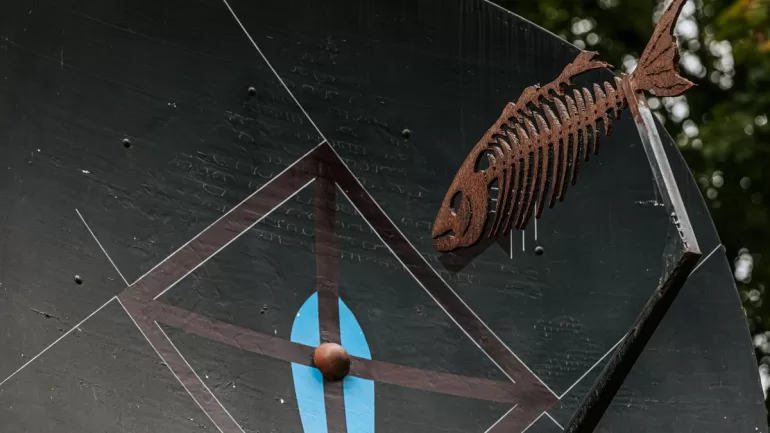
Want to improve your mixed-media sculpture skills? These are 5 ways to combine materials in mixed-media sculptures.
BY EMMA RADEBAUGH, ARTCENTRON
Top 5 Ways To Combine Materials in Mixed-Media Sculptures
In a studio scattered with steel rods, torn fabrics, and salvaged wood, inspiration often comes from chaos. But in a mixed-media sculpture, the real magic lies in intentionality. You can turn clutter into cohesive, compelling art.
These five ways to combine materials in mixed-media sculptures offer practical techniques that sculptors can use to push creative boundaries and keep their structural integrity in check.
1. Juxtapose Hard and Soft Materials
The simplest way to spark visual tension is by pairing materials that feel fundamentally at odds. Imagine rusted metal woven with velvet ribbon, or rigid glass surfaces cushioned by felted wool.
Louise Bourgeois’s Cell series brilliantly demonstrates how soft materials like fabric can humanize cold, industrial elements, creating pieces that are confrontational and intimate.
Pro Tip:
Use upholstery-grade textiles for added durability. Always prep materials (like sealing raw metal) to avoid corrosion or staining over time.
2. Use Welding To Anchor Form
When incorporating heavy or load-bearing elements, remember that structural integrity is imperative. Welding is one way to fuse metal components securely.
If you’re not sure which technique to use—MIG, TIG, or stick welding—take the time to choose the right welding process for your project, as each method has its strengths depending on the metals and joint types involved.
Artists like John Chamberlain elevated scrap metal to high art by manipulating welded car parts into vibrant, fluid compositions.
3. Embed Found Objects
In the spirit of artists like Robert Rauschenberg or Noah Purifoy, found objects bring an existing history into your sculpture. Whether it’s a broken toy, a rusted key, or a piece of driftwood, these elements can add narrative depth and cultural resonance.
Use epoxy resin or clear adhesive gels to embed fragile or irregular shapes. This not only stabilizes a piece but also preserves the object’s original texture and patina.
4. Layer With Purpose
Mixed media doesn’t mean chaotic media. Thoughtful layering of materials—wood, paper, plaster, acrylic, fabric—adds both physical and conceptual depth. Artists working in assemblage or urban installation often layer 2D and 3D textures to draw the viewer in.
Foundational materials should always support what sits on top. Employ test pieces to understand how adhesives or paints behave across different surfaces.
5. Let the Surface Tell a Story
The finish is as important as the form. Apply patinas, painted layers, or fabric overlays to control how light interacts with your sculpture.
Surfaces can shimmer, absorb, reflect, or decay depending on your treatment. El Anatsui’s massive wall sculptures, for example, shimmer because of how they’re folded and draped to catch the light.
Experiment boldly, but test in small batches to see how different materials react over time.
Protect the Process
As you explore these five ways to combine materials in mixed-media sculptures, don’t forget to protect your work and yourself. Keep records of what materials and adhesives you used, how you joined the pieces, and any treatments applied. This documentation is crucial for restoration, resale, and transportation.
Mixed-media sculpture is a playground for innovation, but behind every spontaneous-looking piece is a framework of intentional decisions. With a wide variety of materials and a positive mindset, your next sculpture will be dynamic.