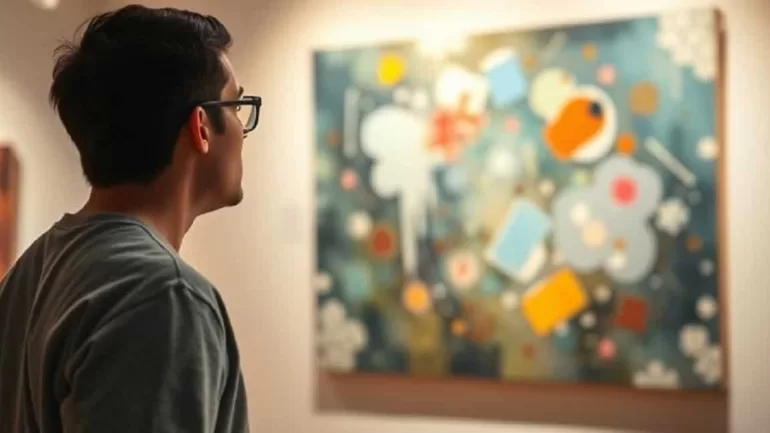
Find out why falling in love with art is more than admiration—it’s a transformative journey that deepens personal connections with creativity.
BY KAZEEM ADELEKE, ARTCENTRON
The Emotional Connection Between Art and Love
Engaging with art mirrors the experience of falling in love. Both require vulnerability, openness, and a deep emotional connection. Just as love unfolds through trust and shared experiences, art demands an intimate approach, free from external biases.
In today’s digitally dominated world, where experiences are often curated by algorithms and commercial trends, our ability to engage authentically with art faces challenges. Market-driven influences dictate what is “worthy” of appreciation, limiting personal interpretation. The essence of true artistic connection lies in breaking free from these constraints and allowing oneself to experience art with fresh, unfiltered eyes.
Breaking Preconceived Notions in Art Appreciation
Modern society conditions us to seek validation in our choices, including our art preferences. Critics, museums, and media outlets shape public perceptions, subtly influencing what we deem valuable. This tendency often prevents genuine engagement, as individuals feel compelled to appreciate certain works without a personal connection.
To truly fall in love with art, we must abandon these preconceived notions. Art appreciation should be a deeply personal journey, untethered from societal expectations. The best way to achieve this is by exploring art independently—visiting galleries without external opinions, observing works without reading labels first, and allowing emotions to guide the response.
The Role of Instinct and Emotion in Art
Art, like love, is highly subjective. No two individuals perceive an artwork the same way, as interpretations stem from personal experiences, emotions, and perspectives. Trusting one’s instincts is crucial in building a meaningful connection with art.
- Observe beyond the obvious: Look at the finer details—the brushstrokes, textures, colors, and hidden elements.
- Engage all senses: Some artworks evoke memories, sounds, or even imagined scents. Let these sensations guide your experience.
- Allow spontaneous reactions: If a painting stirs an inexplicable feeling, embrace it. There is no “right” or “wrong” way to experience art.
This raw, instinctive engagement mirrors the way we connect with people. Just as love is felt rather than rationalized, art should be experienced with emotion rather than logic.
The Power of Surprise and Expectation in Art
Love often thrives on unexpected moments, and the same applies to art. A painting, sculpture, or photograph that challenges initial perceptions can create a lasting impression. The key to deep artistic appreciation is seeking the unexpected—exploring lesser-known artists, experimenting with different genres, and allowing oneself to be surprised.
- Discover hidden gems: Instead of only visiting mainstream exhibitions, explore independent galleries and street art.
- Challenge your taste: Engage with artworks outside your usual preferences to expand artistic horizons.
- Embrace discomfort: Some art pieces provoke unease or contemplation—these experiences often lead to the most profound connections.
This dynamic interplay between expectation and surprise fuels both romantic relationships and artistic exploration, reinforcing the depth of engagement.
The Importance of Not Settling for Superficial Experiences
In both love and art, settling for the familiar leads to stagnation. True passion stems from continuous discovery and a willingness to seek deeper meaning. It is crucial to actively engage with art rather than passively consuming it.
- Attend interactive exhibits: Many modern museums offer immersive experiences that engage visitors on multiple sensory levels.
- Learn about the artist’s intent: Understanding the creator’s vision can add layers of appreciation.
- Create your own interpretations: Instead of relying solely on art critics, form personal narratives around artworks.
By approaching art with curiosity and an open mind, we can cultivate a relationship that is as enriching and evolving as love itself.
Cultivating a Lifelong Relationship with Art
A true connection with art is not fleeting—it grows and evolves over time. Just as relationships deepen through shared experiences, artistic appreciation strengthens with continued engagement. Ways to foster this lasting relationship include:
- Building a personal collection: Surrounding oneself with meaningful artworks, regardless of monetary value, fosters daily inspiration.
- Engaging with art communities: Discussions with fellow enthusiasts enrich perspectives and introduce new interpretations.
- Traveling for art: Visiting diverse cultural hubs enhances artistic appreciation through exposure to various styles and histories.
The more time invested in exploring and understanding art, the stronger the emotional bond becomes, leading to a lifelong love affair with creativity.
Falling in Love with Art Requires Curiosity and Openness
Art is more than a visual experience—it is a journey of emotion, discovery, and personal growth. Much like falling in love, it requires vulnerability, curiosity, and an openness to unexpected beauty. By shedding preconceived notions, trusting our instincts, and embracing the surprises art offers, we can form profound and lasting connections with creativity.