ART & DESIGN
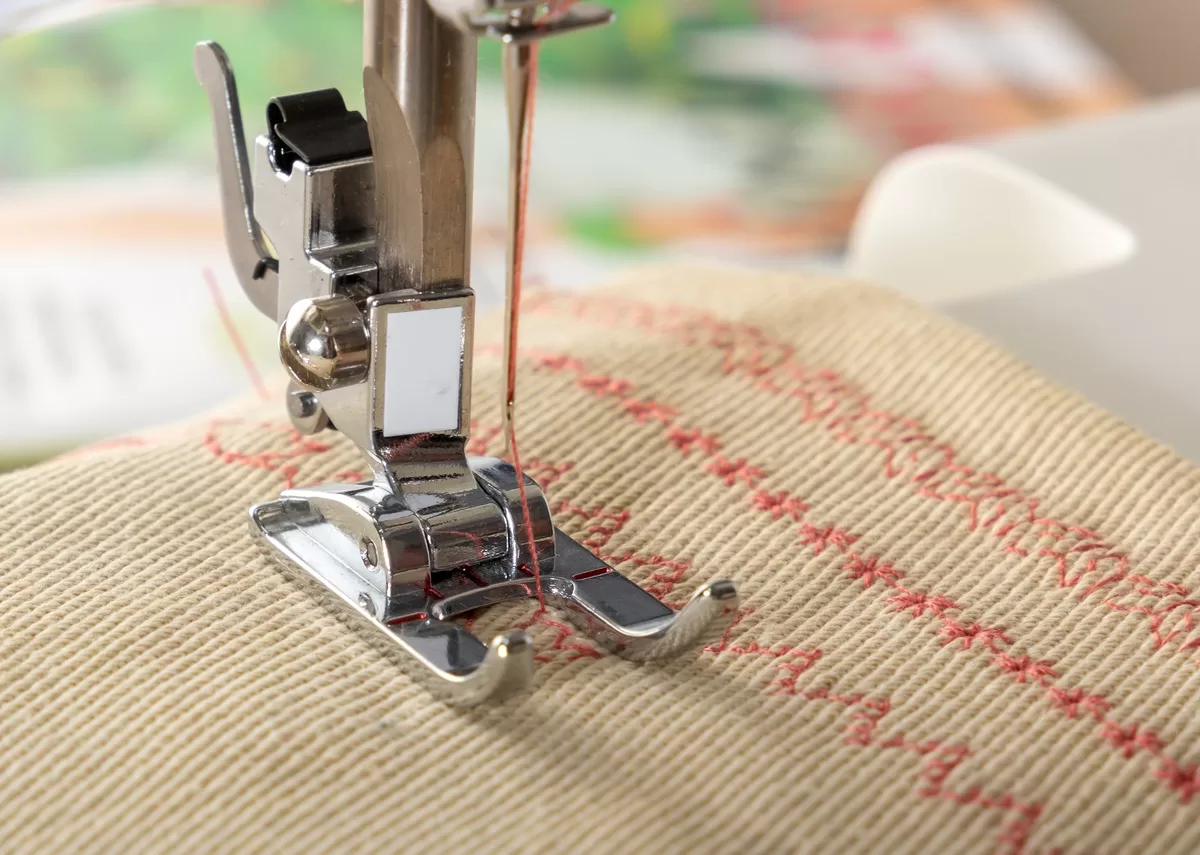
A sewing machine foot (presser foot) is the removable attachment under the needle that holds fabric against the feed dogs and helps guide it as you sew. These metal attachments might seem intimidating because there are so many kinds, but each foot serves a specific purpose that’ll make your projects easier and more professional-looking. Let’s walk through the most popular types of sewing machine feet and their uses so you can unlock your machine’s full potential.
Standard Zigzag Foot
This workhorse comes with every machine and handles about 80 percent of your sewing tasks. The wide opening accommodates both straight stitches and zigzag patterns. You’ll reach for this foot when piecing quilts, sewing garments, or doing basic mending. It’s your reliable daily driver and among the most important sewing machine accessories for beginners.
Zipper Foot
Installing zippers becomes surprisingly simple once you swap to this narrow foot. The offset design lets you stitch right next to zipper teeth without the bulk getting in your way. You might also grab this foot when adding piping or cording to pillows and upholstery projects.
Buttonhole Foot
Perfect buttonholes used to require serious skill, but this foot changed everything. Most modern versions measure your button automatically and create consistent holes every time.
Walking Foot
Quilters swear by this attachment, and for good reason. The top feed dogs move fabric layers together, preventing shifting and puckering when you work with multiple thicknesses. Your quilt sandwiches will glide through smoothly, and matching plaids becomes infinitely easier.
Blind Hem Foot
That professional invisible hem on dress pants? This foot makes it achievable at home. The guide helps you fold fabric precisely while the special stitch catches just a thread or two on the right side. Nobody will spot your handiwork.
Rolled Hem Foot
Delicate edges on scarves, napkins, and lightweight blouses need tiny rolled hems. This clever foot curls the fabric as it feeds through, creating those beautiful, narrow hems you see on store-bought items. The technique takes practice, but the results impress everyone.
Darning/Embroidery Foot
Free-motion quilting and embroidery require dropping your feed dogs and taking manual control. This open foot gives you visibility while the spring action keeps the fabric flat.
Gathering Foot
Ruffles and gathers appear magically when you use this time-saving attachment. The foot automatically creates consistent gathers as you sew, eliminating tedious hand-gathering with running stitches.
Overcast Foot
Raw edges need finishing to prevent fraying, and this foot guides fabric perfectly for overcast stitches. The small brush or guide keeps your edge aligned while the needle wraps thread around it.
Cording Foot
Decorative cording adds gorgeous detail to home decor and special occasion wear. This foot features grooves underneath that guide single or multiple cords while your decorative stitch secures them.
Understanding the types of sewing machine feet and their uses is a great step in moving from a tentative beginner to a confident sewist. Start experimenting with different feet, and you’ll discover techniques that once seemed impossible become routine parts of your creative process.
