ART MARKET NEWS
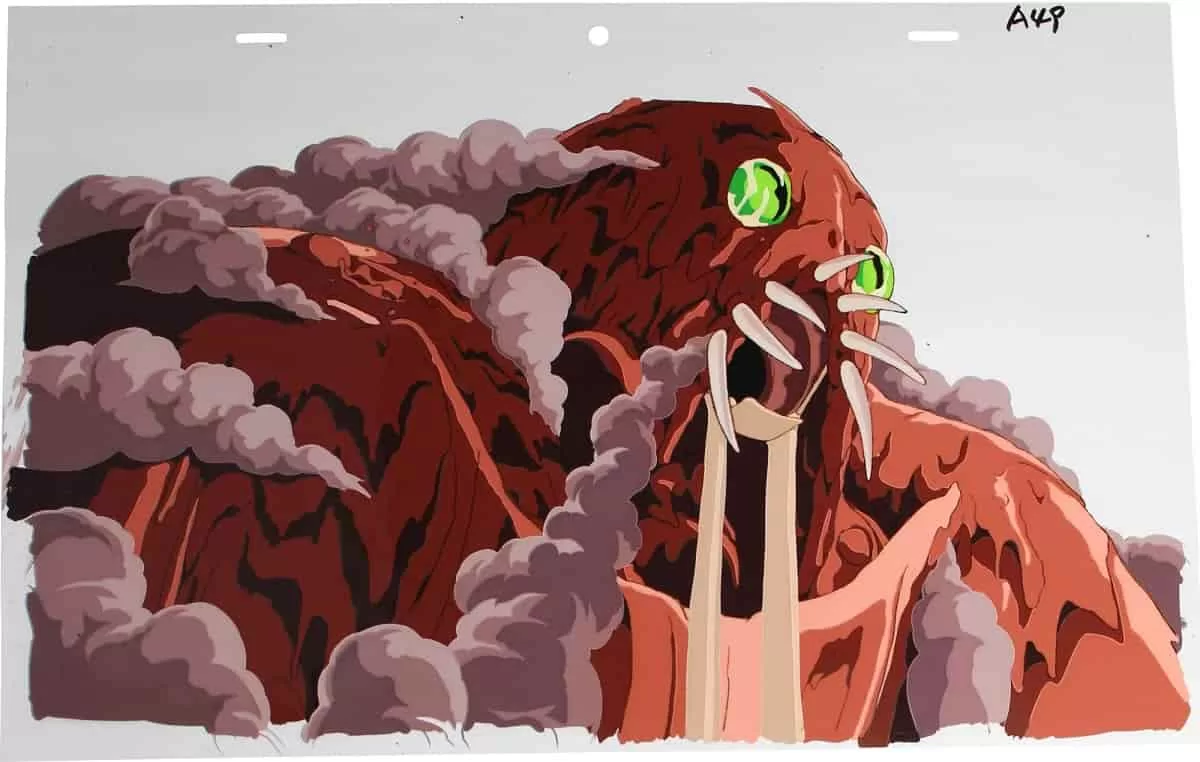
Hand-painted production cel of the Giant God Warrior from Nausicaä of the Valley of the Wind (1984), produced by Topcraft Co., Ltd. This iconic piece of animation history is offered courtesy of the Christie’s Anime Auction.
Christie’s anime auction brings Japanese anime and manga art to New York amid growing investor demand worldwide.
BY KAZEEM ADELEKE, ARTCENTRON
The arrival of Christie’s anime auction in New York marks a decisive shift in the global art trade. Long treated as pop culture, anime and manga are now being positioned as serious fine art assets. With strong demand from younger collectors and growing institutional validation, Christie’s anime auction could reshape how the market values Japanese visual culture.
Running March 18–31 as part of Christie’s Asian Art Week, the sale presents more than 40 lots spanning animation, manga, film history, and classical printmaking. But this is more than a themed event. Christie’s anime auction is a strategic response to surging momentum in the manga art market.
Why Christie’s Anime Auction Signals a Market Turning Point
For years, anime art auction activity remained concentrated in Asia. Now New York is taking center stage. Christie’s anime auction reflects a broader recognition that collectors who grew up with Japanese animation are entering peak earning years—and they are buying what shaped them.
Takaaki Murakami, head of the Japanese and Korean art department at Christie’s, has pointed to accelerating cross-generational demand. Record-breaking sales of rare Pokémon memorabilia have already demonstrated the strength of nostalgia-driven collecting. The same forces now power the anime art auction category.
Unlike previous sales framed strictly as contemporary art, this auction situates modern animation within Japan’s longer artistic lineage. That curatorial reframing may prove critical to sustained price growth.
From Miyazaki to Hokusai: Bridging Centuries of Visual Culture
Highlights of Christie’s anime auction include original hand-painted cels from Nausicaä of the Valley of the Wind, one of director Hayao Miyazaki’s most influential early works. Production material featuring Doraemon also underscores the enduring commercial power of Japanese storytelling.
Original manga drawings by Osamu Tezuka—widely regarded as the father of modern manga—add historic depth. Vintage posters from Godzilla connect the sale to Japan’s postwar cinematic identity.
Crucially, this auction does not isolate subculture from tradition. Works by ukiyo-e master Katsushika Hokusai appear alongside contemporary paintings by Yoshitomo Nara. The visual parallels are clear: bold lines, flattened perspective, graphic dynamism. Anime did not emerge in a vacuum. It evolved from centuries of Japanese print aesthetics.
By framing the sale this way, the auction house elevates manga art from collectible to cultural continuum.
Accessible Estimates, Expanding Buyer Base
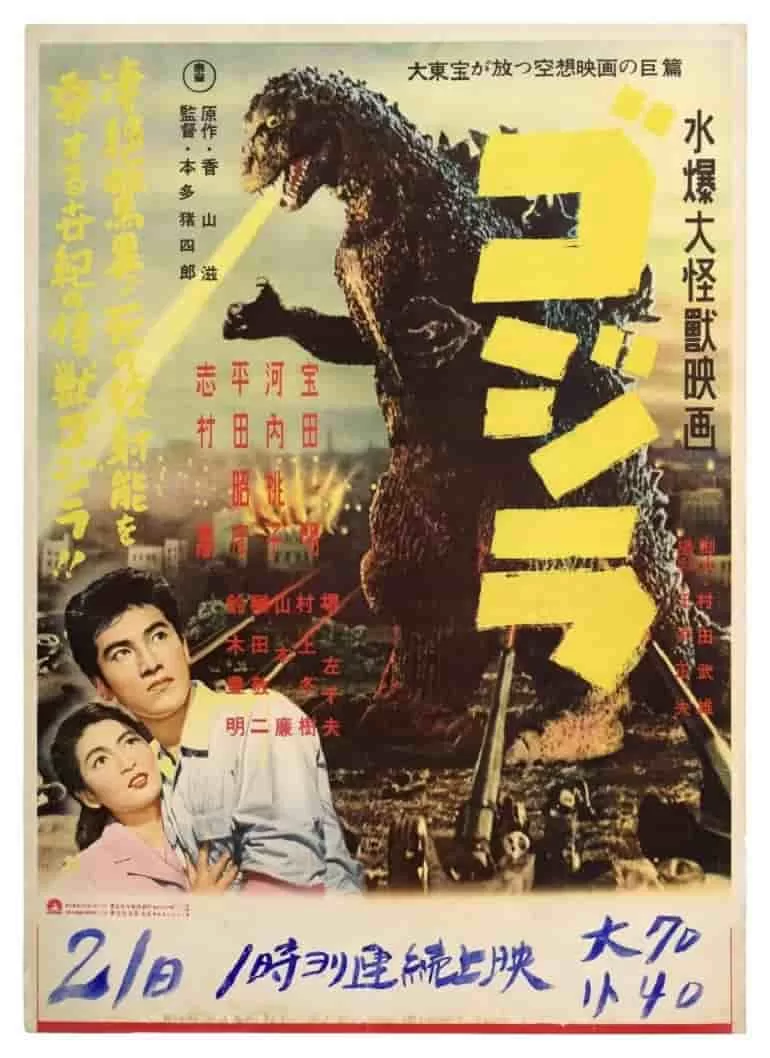
Most lots in Christie’s anime auction carry estimates under $10,000. Many are priced below $3,000, excluding fees. That pricing strategy lowers barriers to entry and encourages first-time bidders.
The manga art market is increasingly global. Streaming platforms have expanded the reach of Japanese anime beyond Asia. English-language editions of manga dominate bookstore shelves worldwide. Institutional exhibitions in major museums have further legitimized the field.
Christie’s anime auction arrives at a moment when supply, demand, and cultural credibility align.
Institutional Validation Accelerates the Anime Art Auction Category
Museums across the United States and Europe have embraced manga and anime in recent programming. Exhibitions dedicated to Japanese graphic storytelling have drawn record attendance. Collaborations between global brands and cultural institutions have further blurred the line between popular culture and high art.
Institutional endorsement often precedes sustained market growth. The auction leverages that momentum by positioning manga art within both historical and contemporary frameworks.
A Defining Test for the Global Manga Art Market
If bidding proves competitive, this auction may establish a new benchmark category within the international art market. Younger collectors are not simply participating—they are reshaping valuation standards.
The success of Christie’s anime auction would confirm what many dealers already observe: anime and manga are no longer fringe collecting interests. They are core components of a rapidly expanding global art economy.
In New York this month, the gavel may fall on more than individual lots. It may fall on the outdated assumption that anime belongs outside the canon.
