ARCHITECTURE & DESIGN
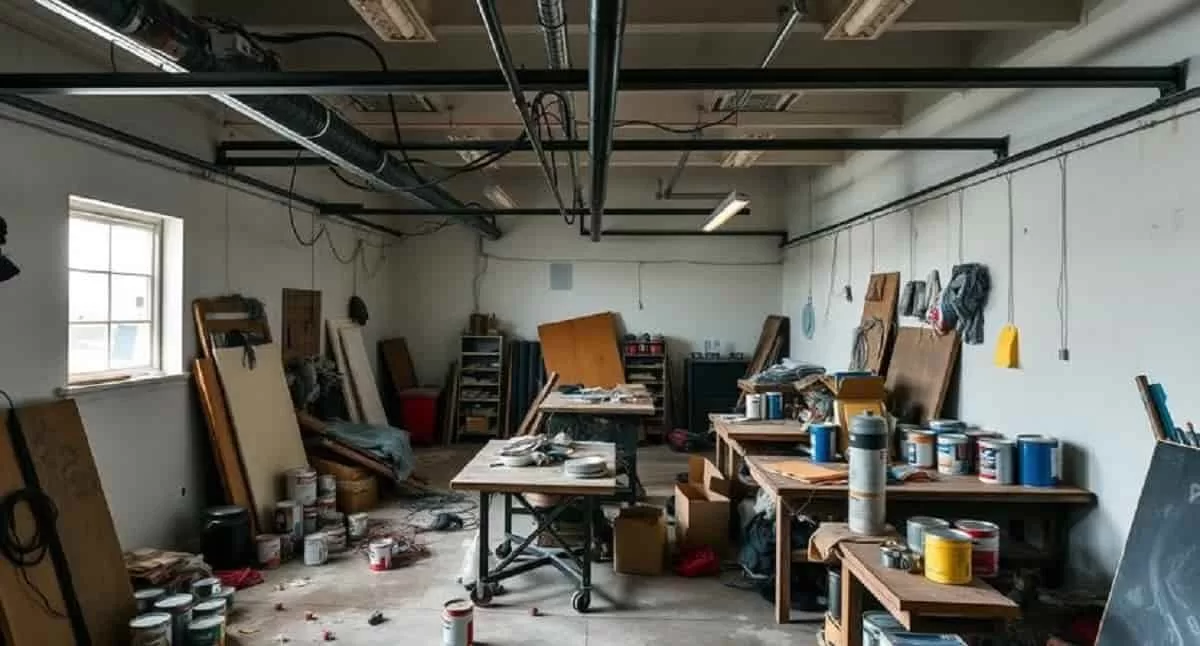
An unorganized garage art studio filled with paint supplies and tools, highlighting common studio setup mistakes like poor lighting, cluttered workspace, and lack of storage.
Before building your garage art studio, learn the key pitfalls that can waste money, limit creativity, and damage your workspace.
BY KAZEEM ADELEKE, ARTCENTRON
Creating a garage art studio is one of the best ways to build a dedicated creative workspace at home. But converting a garage into an art studio requires more than just moving in an easel and supplies. Without proper planning, issues like poor lighting, inadequate insulation, limited ventilation, and inefficient layout design can quickly turn your studio into an uncomfortable and unproductive space.
Before you begin your garage conversion, it’s important to understand the most common mistakes artists make—and how to avoid them. This guide will walk you through the key pitfalls and smart setup strategies to help you design a functional, safe, and inspiring garage art studio that truly supports your creative process.
1. Failing to Consider Proper Lighting in a Garage Art Studio
Lighting is one of the most important elements in an art studio. Without proper lighting, creating detailed artwork or even working comfortably can become a struggle. Natural light is ideal for artists, but unfortunately, many garages lack large windows or adequate daylight. Choosing the best lighting for art studios ensures accurate colors and reduces eye strain during long creative sessions.
Mistake to avoid: Not installing the right type of lighting.
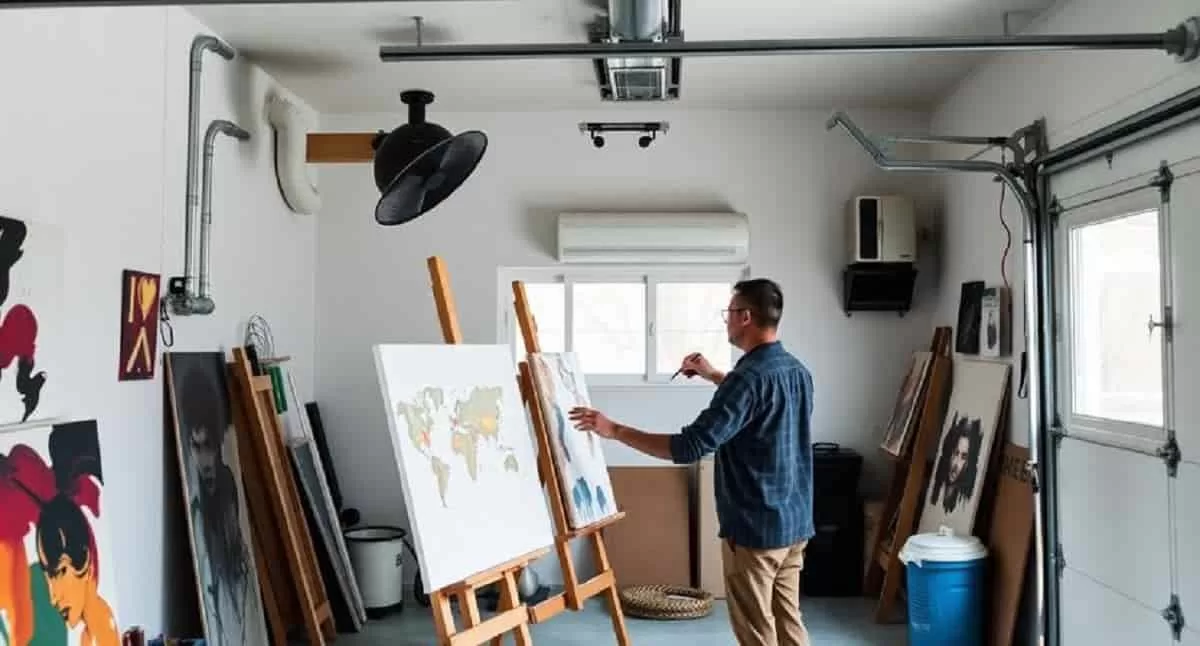
To prevent this, you should install a combination of ambient, task, and accent lighting. Fluorescent lights and LED panels are great for providing bright, even light that replicates daylight, which is essential for detail work. If possible, invest in adjustable desk lamps and spotlights for tasks that require more focused lighting, like drawing or painting. Ensure the lights are placed strategically to minimize shadows that can distort colors and details.
2. Ignoring Ventilation and Air Quality
Another critical factor when converting your garage into an art studio is ventilation. Many artists work with materials such as paints, solvents, and chemicals that can emit harmful fumes. Proper airflow is critical in a garage art studio, especially when working with paint—learn more about how to properly ventilate a garage workspace. If the garage lacks proper airflow, you may expose yourself to unhealthy air quality.
Mistake to avoid: Not addressing ventilation needs properly.
Install a ventilation system to ensure that fumes from paints, thinners, and other materials are expelled from the garage. A high-quality exhaust fan is a great way to enhance airflow, especially if your garage has limited windows. Additionally, consider using air purifiers to help reduce indoor pollutants and improve air quality, keeping both your health and the studio environment safe.
3. Neglecting Climate Control
Garages are often prone to temperature fluctuations, and this can affect the quality of your artwork and the longevity of materials. Extreme heat or cold can cause paints to dry too quickly or unevenly, while humidity can lead to mold and mildew, which could damage both your art supplies and artwork.
Mistake to avoid: Not controlling the temperature and humidity.
Installing an HVAC system or space heaters and fans can help regulate the temperature. Moreover, you should consider adding dehumidifiers to reduce moisture levels, especially in areas with high humidity. This will ensure that your art studio remains comfortable and safe for working on projects year-round.
4. Overcrowding the Space in a Garage Art Studio
A common mistake when setting up an art studio is overcrowding the space with too many supplies or furniture. While it may be tempting to fill the room with every tool or material you think you might need, clutter can become a huge distraction.
Mistake to avoid: Not leaving enough space for movement and organization.
When designing your studio, focus on creating clear work areas and adequate storage solutions. Use shelves, cabinets, and storage bins to keep supplies organized, and try to keep the workspace clear of unnecessary clutter. Having a clean, organized environment will help you focus on your craft without the stress of constantly navigating through piles of materials.
5. Skipping Proper Flooring Solutions
The garage floor is often made of concrete, which may not be the most comfortable or safe surface for an art studio. Working with paints, chemicals, and heavy equipment can also cause damage to the floor over time.
Mistake to avoid: Leaving the concrete floor unfinished or unprotected.
Investing in protective flooring such as rubber mats, vinyl tiles, or epoxy coatings can help create a safer, more comfortable workspace. These materials are easy to clean, provide cushioning for your feet, and can help protect the floor from spills and damage. Consider also installing anti-fatigue mats if you’ll be standing for long periods.
6. Forgetting About Storage for Artwork
When you’re turning your garage into an art studio, you’ll need a dedicated space for storing your completed artworks. Failing to plan for proper storage can lead to damaged or scratched paintings and cluttered studio spaces.
Mistake to avoid: Not planning for artwork storage.
Ensure you allocate space for artwork racks, shelves, or flat files to store finished works safely. If you work with larger canvases, a vertical storage system is ideal for preventing damage. For smaller works or delicate pieces, portfolio cases or archival boxes are great options. Proper storage not only protects your artwork but also keeps your studio organized.
7. Disregarding Electrical Needs
Art studios require electrical outlets for tools, lighting, and other equipment. However, garages are not always equipped with sufficient outlets or the appropriate kind of electrical setup for an artist’s needs. Investing in effective studio lighting solutions ensures accurate color perception and reduces eye strain.
Mistake to avoid: Not ensuring there are enough electrical outlets or circuits.
Before setting up your art studio, make sure you have adequate electrical outlets installed. Consider hiring a licensed electrician to add more outlets if necessary, especially if you plan to use multiple tools, such as a heater, fan, and electric canvas stretchers. Also, ensure that your electrical system is up to date and capable of handling the additional load without risk of overheating or short-circuiting.
8. Failing to Create a Functional Workflow
A successful art studio encourages creativity and efficiency. Without a clear workflow or layout, you may find yourself wasting time and energy searching for supplies or moving furniture around. An intentional layout can significantly improve workspace productivity by minimizing distractions and clutter.
Mistake to avoid: Not planning a logical workflow for the space.
Design your garage studio with a logical workflow in mind. Arrange your furniture, equipment, and supplies in a way that allows you to easily transition between different tasks, such as sketching, painting, and drying your artwork. For example, keep your painting supplies close to your workspace, while storing drying racks or storage for completed artwork in a separate area. Organizing your studio this way will help you save time and increase productivity.
9. Overlooking the Need for a Dedicated Work Area
A well-planned garage conversion can transform an underused space into a bright, inspiring, and creative retreat. However, while it’s tempting to convert your entire garage into a creative space, it’s important to create a dedicated work area where you can focus on specific tasks.
Mistake to avoid: Trying to do everything in one area.
Smart garage storage solutions help keep your garage art studio organized and free from clutter. By designating separate spaces within the garage for different activities, you can ensure that each task is carried out efficiently. For example, you might designate one area for painting, another for drawing or sculpting, and a third for storage or drying. This kind of division will not only keep your studio organized but also help maintain a sense of order that fosters creativity.
10. Skipping Safety Measures
Safety should always be a top priority in any workspace, especially in an art studio where you may be dealing with sharp tools, chemicals, and other hazardous materials. Smart studio organization ideas make it easier to find materials quickly and stay focused on creating.
Mistake to avoid: Neglecting safety precautions.
Ensure that your garage studio is equipped with safety equipment such as fire extinguishers, first aid kits, and protective gloves and masks. Also, keep a well-ventilated area for working with paints and chemicals to minimize exposure to harmful fumes. Don’t forget to have proper signage for hazardous areas to prevent accidents and ensure a safe working environment for everyone.
Setting Up a Garage Art Studio
Transforming your garage into a garage art studio can be an incredibly rewarding project, but careful planning is essential to avoid common pitfalls. From choosing the right studio lighting solutions and maintaining proper ventilation to optimizing your layout for workflow and safety, every detail matters. By addressing these key areas and incorporating smart studio organization ideas, you can turn your garage into a productive, inspiring, and well-designed creative workspace that supports your artistic growth for years to come.
Have you transformed your garage into a creative haven? Share your favorite studio organization tips or lessons learned in the comments—your insight could inspire another artist.
