ART NEWS
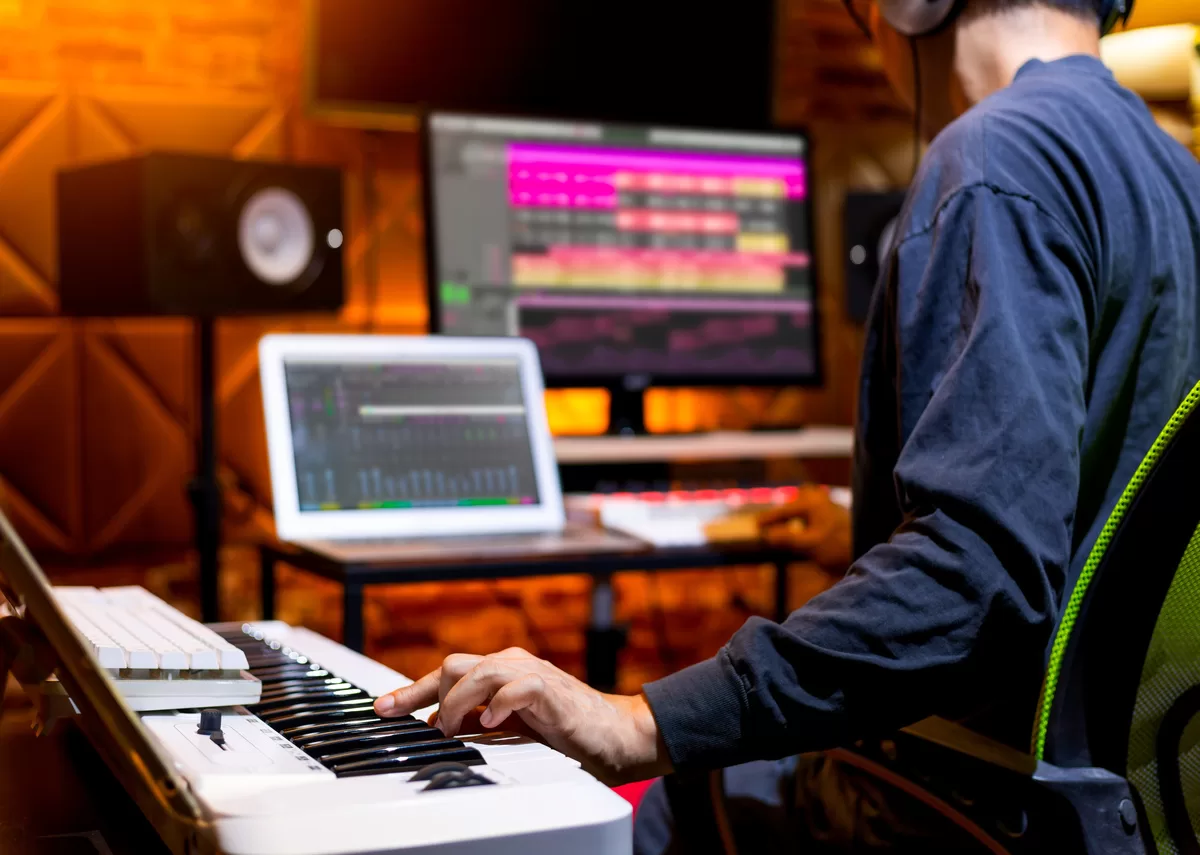
A beginner-friendly music setup showing the key things you need to start making music at home.
Learn the things you need to start making music without expensive gear. Your ultimate beginner’s guide to home recording.
BY EMMA RADEBAUGH, ARTCENTRON
Important Things You Need to Start Making Music
You’ve watched the YouTube tutorials. You’ve seen the producers sitting in studios that look more like the cockpit of a rocket than a creative workspace. Now you are staring at your empty desk, wondering how many thousands of dollars you need to drop just to make a simple beat.
Here is the good news: you don’t need a spaceship. You barely even need a desk.
You convince yourself you can’t write a hit song without that vintage synthesizer or that specific preamp. That is a lie. Some of the best records in history started in bedrooms with minimal setups. Let’s strip away the vanity metrics and talk about the essentials you actually need to start making music.
The Canvas: Digital Audio Workstation (DAW)
This is where you will live. Your DAW is the software used to record, edit, and mix audio. Ableton Live, Logic Pro, FL Studio, and Pro Tools are the big names.
People fight online about which one sounds better. Ignore them. They all do the math the same way. Pick the one that makes sense to your brain. Download the free trials, mess around for a weekend, and see which workflow clicks. You aren’t marrying it, but you are going to spend a lot of time together, so pick a partner you actually like.
The Bridge: Audio Interface
You need a way to get sound in and out of your computer without a delay (latency) that makes you want to pull your hair out. That is the job of the audio interface. It takes the analog signal from a microphone or guitar and turns it into ones and zeros your computer understands.
When you start looking at prices, you might feel tempted to start buying discount audio accessories to save cash. Resist that urge when it comes to the interface. This little box is the foundation of your signal chain. A cheap interface with noisy preamps will ruin every recording you make, no matter how good your microphone is.
The Ears: Headphones or Monitors
You cannot mix what you cannot hear. If you create music on standard laptop speakers, your bass will disappear, and your high-end will pierce eardrums.
If you have thin walls, get a pair of studio headphones. If you have the space and freedom to make noise, get studio monitors. Unlike consumer speakers that boost bass to make music sound “fun,” studio gear aims for a “flat” response. You want the ugly truth, not a polished lie.
Here is a quick breakdown of what to look for:
- Closed-back headphones: Great for recording vocals because sound doesn’t leak out into the mic.
- Open-back headphones: Better for mixing, as they sound more natural and spacious.
- Studio Monitors: Ideal for long sessions so your ears don’t get fatigued.
The Voice: A Microphone
Even if you only plan to make instrumental electronic music, you will eventually want to record a shaker, a clap, or a weird sound from the kitchen.
You need one reliable microphone. A large-diaphragm condenser mic serves as the standard for vocals and acoustic instruments because it captures detail. Just remember that condenser mics are sensitive; they will hear your neighbor mowing the lawn two streets over. If your room sounds terrible (lots of echo), a dynamic mic might serve you better.
Stop Shopping, Start Creating
It is incredibly easy to spend six months researching the perfect setup and zero minutes actually making music. Don’t fall into that trap. Buy the music production basics, learn them inside out, and upgrade later when you actually know why you need to. The gear doesn’t make the artist. Go make something cool.
Are you a musician with great experience of music? Share your experience of what you think are the most important things you need to start making music.
