ART NEWS
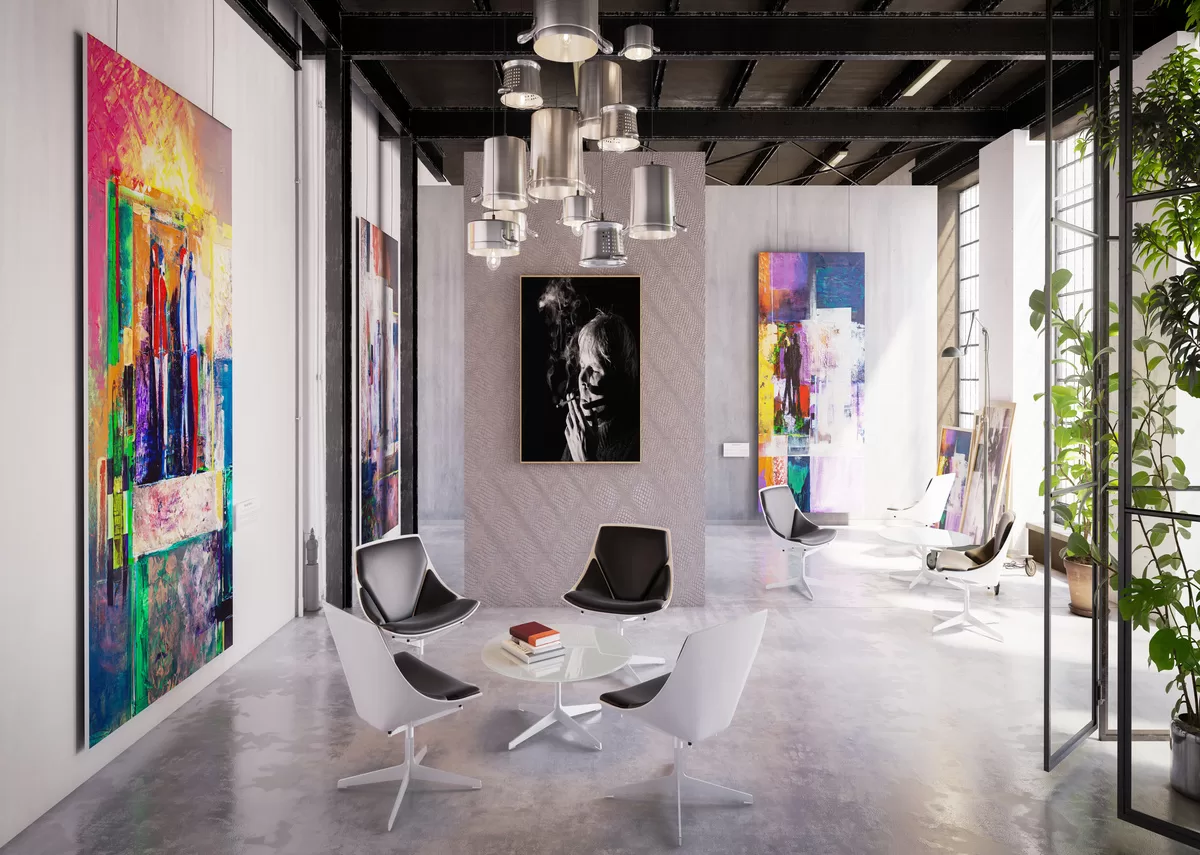
Sterile offices drain energy. Vibrant sculptures and murals spark creativity. Strategic design choices shift the atmosphere from cold to stimulating. Business leaders rarely consider the ROI of aesthetics, yet the environment directly impacts performance.
Let’s explore how art installations transform corporate spaces and drive business success.
Defining Brand Identity Through Visuals
A lobby greets clients first. A massive sculpture communicates innovation better than a generic mission statement. Bold colors suggest energy. Muted tones imply stability. The artwork acts as a silent ambassador.
It instantly tells a story about company values. Clients perceive the brand through these visual cues. Therefore, the art selection dictates the company narrative before a handshake occurs.
Stimulating Employee Innovation
Blank walls stifle ideas. Complex visuals challenge the brain. Workers pause, look, and reset their mental state. This visual break sparks fresh perspectives during difficult projects. Looking at abstract shapes encourages non-linear problem solving.
Consequently, teams find novel answers to old problems. A stimulating environment prevents mental fatigue. Creative blocks dissolve when the eyes have something interesting to process.
Improving Navigation and Flow
Large installations act as landmarks. Employees find meeting rooms easier when “the blue statue” marks the spot. It organizes the floor plan intuitively without confusing signage.
New hires navigate the building faster. Visitors feel less lost. Visual markers create a mental map of the office. Thus, art serves a functional purpose alongside the aesthetic one.
Fostering Social Interaction
Art acts as a communal hub. People gather around unique pieces. They discuss the artist’s intent or the color palette. These casual collisions build stronger team bonds across departments.
Someone from accounting talks to someone from marketing because they both stopped to admire a mural. Shared experiences create a cohesive company culture. As a result, silos naturally break down.
Attracting Top Talent
Candidates judge workspaces. A curated collection signals a forward-thinking culture. It shows the company values the environment and employee experience.
Top performers want to work in inspiring places. They reject gray, windowless boxes. A commitment to art demonstrates a commitment to quality of life. Hence, the physical space becomes a recruiting tool.
Connecting Interiors to Nature
Art often mirrors organic forms, using wood sculptures or landscape photography to bring the outdoors inside. These natural aesthetics offer the benefits of biophilic office design, reducing stress and improving focus.
Incorporating nature-themed art can lower blood pressure and create a sense of calm, helping employees feel grounded even in a high-rise. By actively supporting mental health, art becomes a bridge to the natural world.
Curating a Vision for Success
Aesthetic choices impact the bottom line. Art builds culture. It retains staff. The right installation turns a hallway into a destination. Leaders who prioritize design see better engagement. Companies thrive when the space inspires the people inside. You now see how art installations transform corporate spaces effectively.
