LIFESTYLE
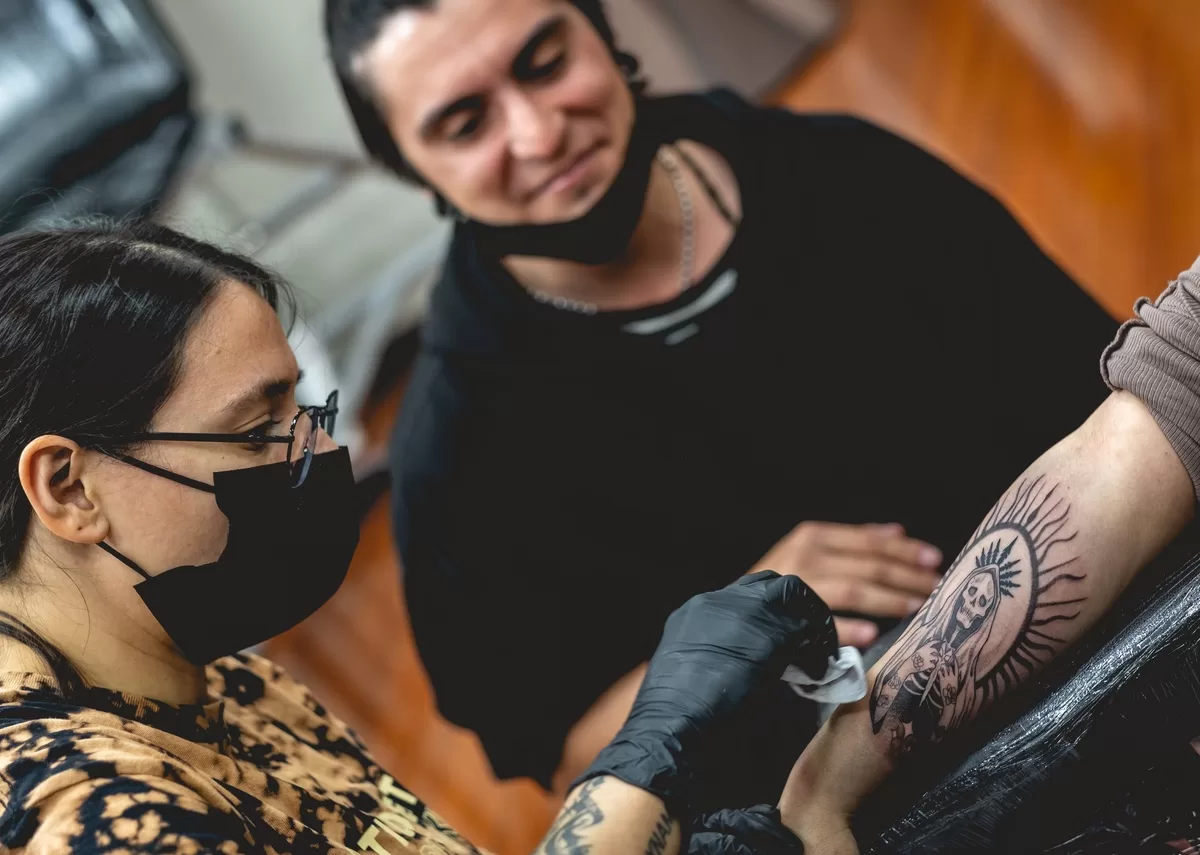
Pay-to-learn tattoo apprenticeships aren’t what they used to be. Learn what changed and how to find a modern tattoo mentor.
BY EMMA REDABAUGH, ARTCENTRON
Why Pay-to-Learn Tattoo Apprenticeships Are Disappearing
The tattoo industry has seen a massive shift in how aspiring artists learn the craft. Why it’s harder to find pay-to-learn tattoo apprenticeships today boils down to one simple truth: most artists and shops are pickier than ever. Gone are the days when you could walk into a shop, hand over a portfolio, and get a straightforward price for an apprenticeship. Today, it’s more about connection-building, genuine interest, and organic conversations. This shift may feel frustrating, but it reflects how much the culture around tattoo education has evolved.
The Decline of Public Apprenticeship Advertisements
Tattoo shops once routinely offered apprenticeships as a paid service. Transparency about cost, duration, and requirements was common. Now, many artists avoid openly sharing opportunities for several reasons. Publicly advertising apprenticeships can attract candidates with no dedication to the craft, and artists value students who show genuine, long-term interest.
Additionally, many established artists carefully prioritize their time. Teaching an apprentice is time-consuming, often slowing down daily shop routines. They want to ensure their investment in someone reaps long-term value, both personally and professionally. Open pay-to-learn models don’t always align with this mindset.
If you’re hoping to apprentice, walking into a shop and asking about opportunities might not get you far. Building trust and rapport is often the new foundation.
The Path Towards a Modern Apprenticeship
Getting an apprenticeship today is a more gradual and nuanced process. Many artists look for students they already know. Becoming a regular client is one of the most effective ways to build that relationship. Tattoos take time and trust, and by sitting in the artist’s chair yourself, you’re showing dedication to their work and the industry.
Engaging artists directly and respectfully can also open doors. Conversations should show that you appreciate their artistry beyond just wanting to learn from them. A casual chat, social media interaction, or even an email can leave an impression. Remember, relationships often blossom before apprenticeship agreements are made.
The shift away from public apprenticeship programs may feel unconventional, but it’s rooted in the idea of protecting and preserving the craft for those with a true passion for it.
What Apprenticeships Still Offer That DIY Learning Can’t
Nowadays, you can learn many of the basics of tattooing online. For example, you don’t need a mentor to show you how to set up a gray wash. You also don’t always need a mentor to explain tattoo history or shop culture anymore. However, an apprenticeship does still give you exclusive insights into business operations, customer management, and art techniques that no amount of reading will provide.
This highlights a key point about apprenticeships. Even with so much technical knowledge available online, working alongside an experienced artist teaches lessons that go beyond textbook methods. This on-the-job education about things like preparing clients, handling unexpected situations, or learning advanced artistic techniques remains uniquely valuable.
Building Relationships Paves the Way
If you’ve hit roadblocks searching for a classic pay-to-learn arrangement, remember that making the right connections is now key. Instead of looking for public postings, seek genuine personal connections with the artists you admire. Attend conventions, draw every day, or engage thoughtfully online. Showing interest in their work and steadily building trust can open doors more effectively than outright asking for an apprenticeship on day one.
The Future of Tattoo Apprenticeships
Why it’s harder to find pay-to-learn tattoo apprenticeships today comes down to the industry’s desire for meaningful mentorships. This evolution reflects a deeper respect for the tattooing craft and its culture. Although it takes time and effort, the process weeds out disinterest, ensuring authenticity in future artists. If you’re willing to invest in relationships and pursue learning in innovative ways, a modern apprenticeship could still be yours.
Why are artists no longer offering pay-to-learn tattoo apprenticeships? Share your thoughts. Leave a comment.
