ART & DESIGN
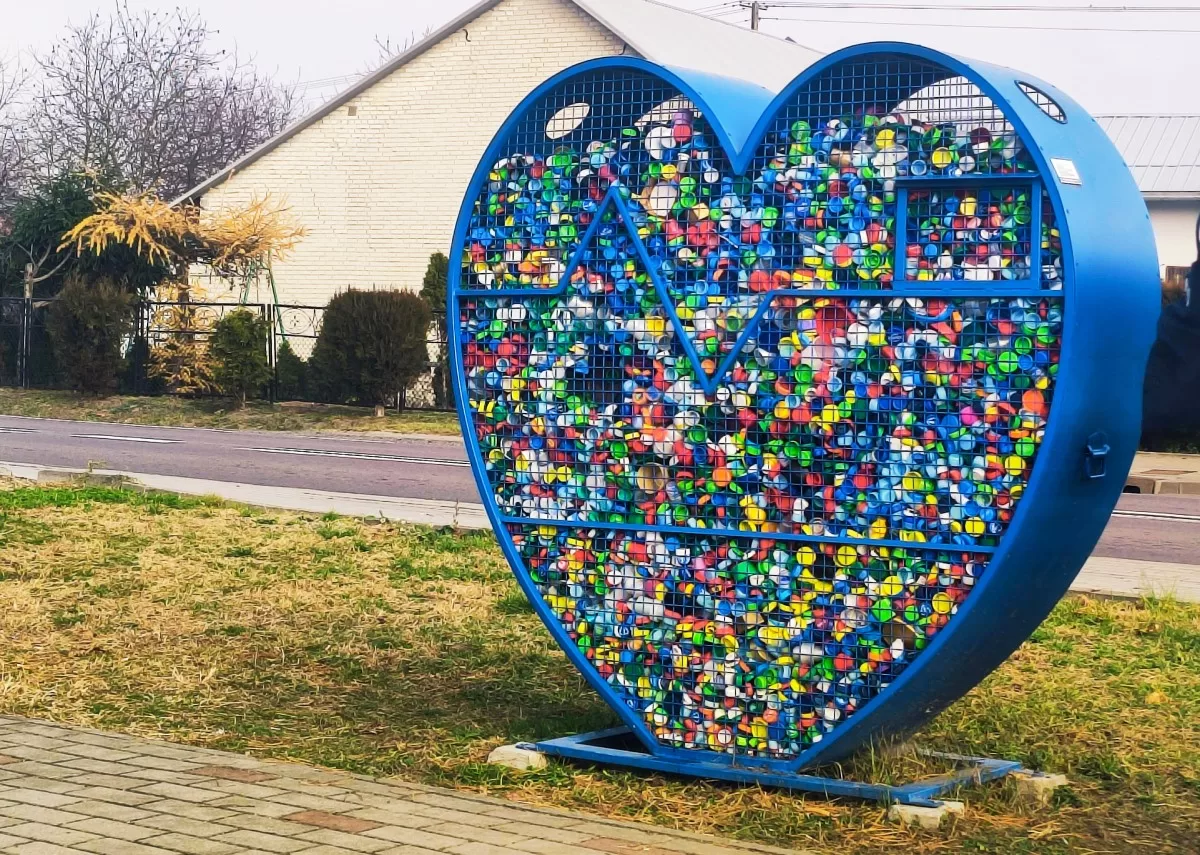
Public art turns everyday spaces into vibrant cultural landmarks. While artists and curators focus on crafting unforgettable experiences, it’s easy to overlook the practical side, especially the basic human needs of your guests.
Amenities like restrooms, shade, and seating shape your guests’ experience just as much as the artwork itself. Let’s explore the top essential amenities for public art installations.
Restroom Facilities That Actually Work
Portable toilets have earned a reputation as necessary evils, but modern solutions have evolved far beyond the horror stories. Premium units now offer handwashing stations, proper ventilation, and ADA-compliant designs that respect every visitor’s dignity. The challenge of keeping porta potties cool during summer events has spurred innovative climate-control solutions to prevent sweltering conditions.
Position these facilities within 200 feet of your central installation, but far enough to maintain the artistic atmosphere. Calculate one unit per 50 attendees for events lasting over two hours, and always include at least two accessible options. Your guests will judge you more harshly for inadequate restrooms than for almost any other oversight.
Shade Structures Save Lives (And Artwork)
Outdoor installations should keep both visitors and artwork safe from the sun and bad weather. Use canopies, pergolas, or umbrellas to create shade and make the space more inviting, so people stay longer. Heat exhaustion is a real risk, especially during summer events.
Shade also protects sensitive pieces and gives relief to families and older guests. Choose sturdy, wind-resistant options instead of flimsy pop-up tents. The right shade can turn a harsh outdoor setup into a comfortable experience that keeps people engaged.
Seating Areas Encourage Contemplation
Great art deserves thoughtful viewing, which requires somewhere to sit and absorb the experience. Benches, portable chairs, or even artistic seating installations give visitors permission to slow down and engage deeply with your work. Older attendees and individuals with mobility challenges absolutely need these rest points to participate fully in your exhibition.
Arrange seating so people have the best views of the art without blocking walkways. Use a mix of fixed and movable options to handle different crowd sizes. Museums figured out long ago that if visitors have to stand the whole time, they’ll get tired and leave before seeing everything you’ve created.
Accessible Pathways Welcome Everyone
Smooth, level walkways ensure wheelchairs, strollers, and walking aids can navigate your installation without struggle or embarrassment. Gravel, mulch, and uneven terrain exclude entire demographics from experiencing your artistic vision. Adding temporary ramps, clear signage, and wide pathways (at least 36 inches) shows you care about making your space welcoming for everyone.
Every public art installation should make it easy for everyone to move through the space. The way you design your layout sends a strong message about how much you value inclusivity.
When artists overlook accessibility, it can signal that some people aren’t welcome, which runs counter to the open spirit of public art. Essential amenities for public art installations are the foundation for creating spaces where everyone can participate and feel included.
