ART AUCTION
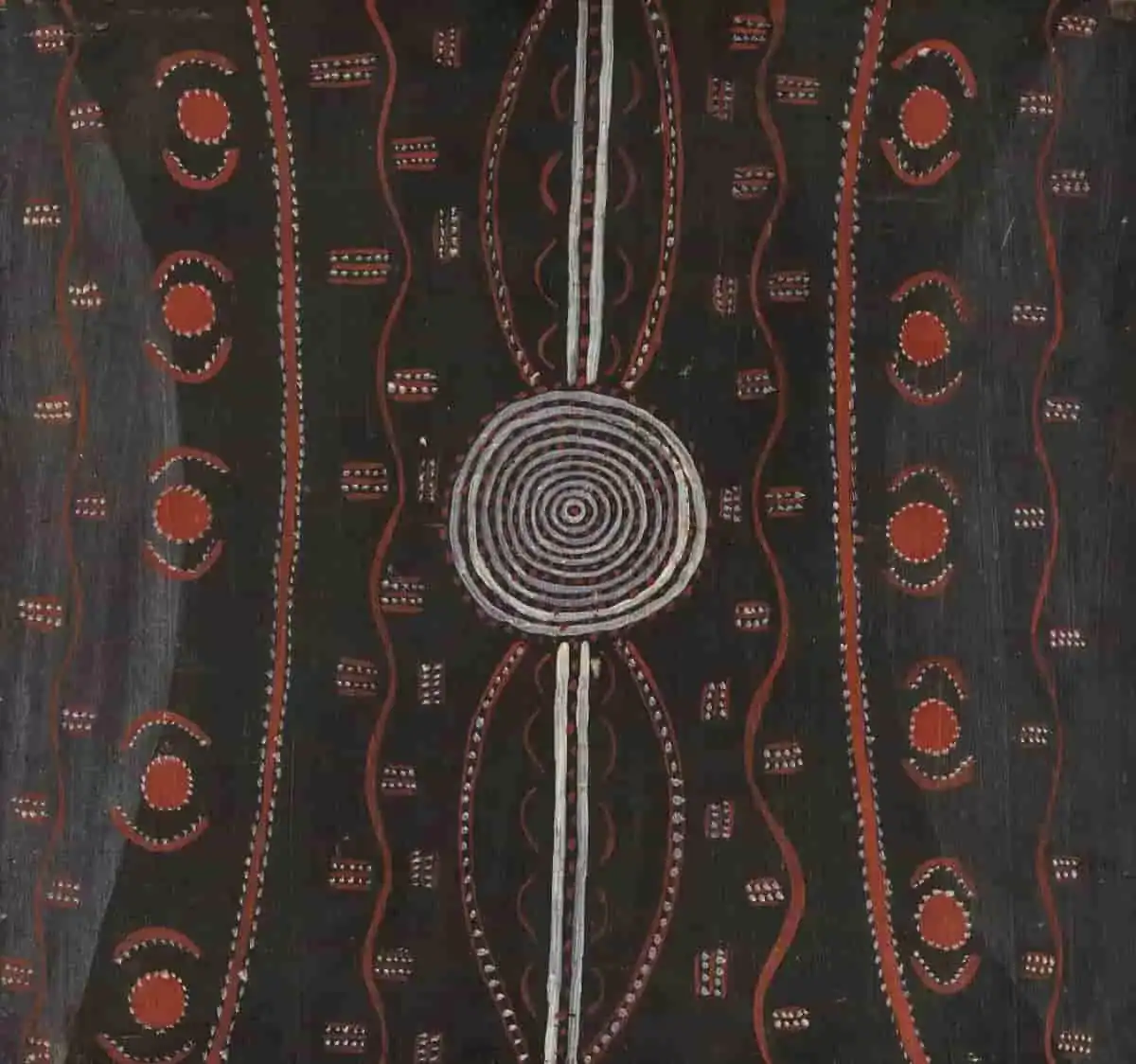
Tim Leura Tjapaltjarri (circa 1929-1984) Untitled, c. 1973, is one of the major works in the Bonhams Aboriginal art auction in Paris. The synthetic polymer paint on composition board painting measures 43.0 x 46.0 cm (16 15/16 x 18 1/8 in). It has an estimate of between US$7,100 and US$9,400. Image: Bonhams
Own a piece of history at the Aboriginal art auction in Paris. It features works by Gali Yalkarriwuy Gurruwiwi and Sally Gabori, with exceptional provenance.
BY KAZEEM ADELEKE, ARTCENTRON
A major Aboriginal art auction in Paris will take place at Bonhams Cornette de Saint Cyr from 13 to 23 January 2026. This online auction presents collectors with a rare opportunity to acquire exceptional Indigenous Australian artworks. The sale features 40 carefully selected pieces from a distinguished European private collection assembled over two decades.
This offering spans multiple regions, techniques, and cultural narratives. Together, the works form a powerful introduction to the depth, symbolism, and living traditions of Aboriginal art.
A Collection Built on Cultural Depth
Collected between the early 1990s and 2011, the collection includes paintings, sculptures, and ceremonial objects. Some pieces previously appeared in exhibitions in Bonn, Germany, gaining international recognition.
Featured artists include Esther Giles Nampitjinpa, Gali Yalkarriwuy Gurruwiwi, and Sally Gabori. Each artist offers a distinct visual language rooted in ancestral knowledge. The Aboriginal art auction Paris showcases works created with acrylics, natural ochres, and bark fibers. Styles range from refined dot painting to intricate cross-hatching and sculptural traditions.
Spotlight: Sally Gabori and Kaiadilt Country
The auction features two monumental works by Mirdidingkingathi Juwarnda Sally Gabori. Gabori began painting in 2005 at the age of 81. She quickly became a global icon of contemporary abstraction. Her canvases are vibrant maps of her homeland on Bentinck Island.
- Dibirdibi Country (2008): Estimated at €14,000–24,000. This work honors the “Rock Cod” ancestor.
- My Husband’s Country with Saltpan (2008): Estimated at €10,000–15,000.
Gabori’s international reputation peaked with her 2022 solo exhibition at the Fondation Cartier in Paris. This previous exposure in the French capital increases the desirability of these pieces for local collectors.
Arnhem Land: Morning Star Poles and Mimi Spirits
The Aboriginal art auction in Paris also highlights the sculptural traditions of Northern Australia. These works use fine lines and natural materials to tell stories of the sea and sky.
- Banumbirr (Morning Star Poles): Attributed to the late Yolngu leader Gali Yalkarriwuy Gurruwiwi. These poles connect the living world to the ancestral spirit land. (Estimate: €2,500–3,500).
- Mimi Spirit Figures: A group of eight tall, thin sculptures. They represent the guardians who taught humans how to paint and hunt. (Estimate: €1,800–2,200).
Why This Auction Matters
According to Merryn Schriever, Managing Director of Bonhams Australia, this sale offers exceptional quality while remaining accessible. Entry-level pieces sit alongside museum-worthy works.
Crucially, these artworks carry full Art Centre provenance. This documentation ensures the works were created ethically. It guarantees that the sale respects the intellectual property of the artists and their communities. This Aboriginal art auction in Paris is more than a sale; it is a cultural exchange connecting Indigenous Australian voices with a global audience.
FAQ for New Collectors: Aboriginal Art Auction in Paris
1. Why is “provenance” so important in this auction?
Provenance is the documented history of an artwork’s ownership. For the Aboriginal art auction Paris, provenance ensures that the work is authentic and was ethically sourced. All major pieces in this sale, such as those by Sally Gabori, come with Art Centre certificates. This documentation confirms the artist was treated fairly and that the cultural story being told is authorized by their community.
2. What is the “Indigenous Art Code,” and does it apply here?
The Indigenous Art Code is a set of rules that ensures ethical trade between dealers and Indigenous artists. While this auction takes place in Paris, reputable houses like Bonhams often align with these standards. For a collector, buying from a sale that respects the Code means your investment supports the “money story”—ensuring the funds return to the artists and their families.
3. Will I have to pay a “Resale Royalty” on my purchase?
As of 2026, reciprocal arrangements exist between Australia and various European countries, including France. If you buy a work for over €1,000, a 5% Resale Royalty may apply. This royalty goes directly to the artist or their descendants. It is a vital way for collectors to support the ongoing legacy of the world’s oldest living culture.
4. How do I choose between a painting and a sculpture?
It depends on your personal taste and space:
- Paintings: Works by artists like Esther Giles Nampitjinpa offer vibrant “aerial” maps of the desert, perfect for focal walls.
- Sculptures: The Mimi Spirit figures or Ken Thaiday Senior masks provide a three-dimensional presence. These are ideal for collectors who appreciate the physical texture of wood, feathers, and natural ochres.
5. Is Aboriginal art a good financial investment?
Historically, authentic Indigenous Australian art has shown steady growth. Artists like Sally Gabori have achieved “blue-chip” status, with works appearing in major museums such as the Fondation Cartier. While you should always buy what you love, pieces with strong provenance and exhibition history (like those in the Aboriginal art auction in Paris) generally hold their value better on the secondary market.
6. Can I bid if I am not located in Paris?
Yes. The Aboriginal art auction in Paris is an online event. You can register through the Bonhams website to place bids from anywhere in the world. Ensure you check the shipping and insurance costs beforehand, as these works often require specialist handling to preserve the natural materials (like ochre and feathers).
