ART & DESIGN
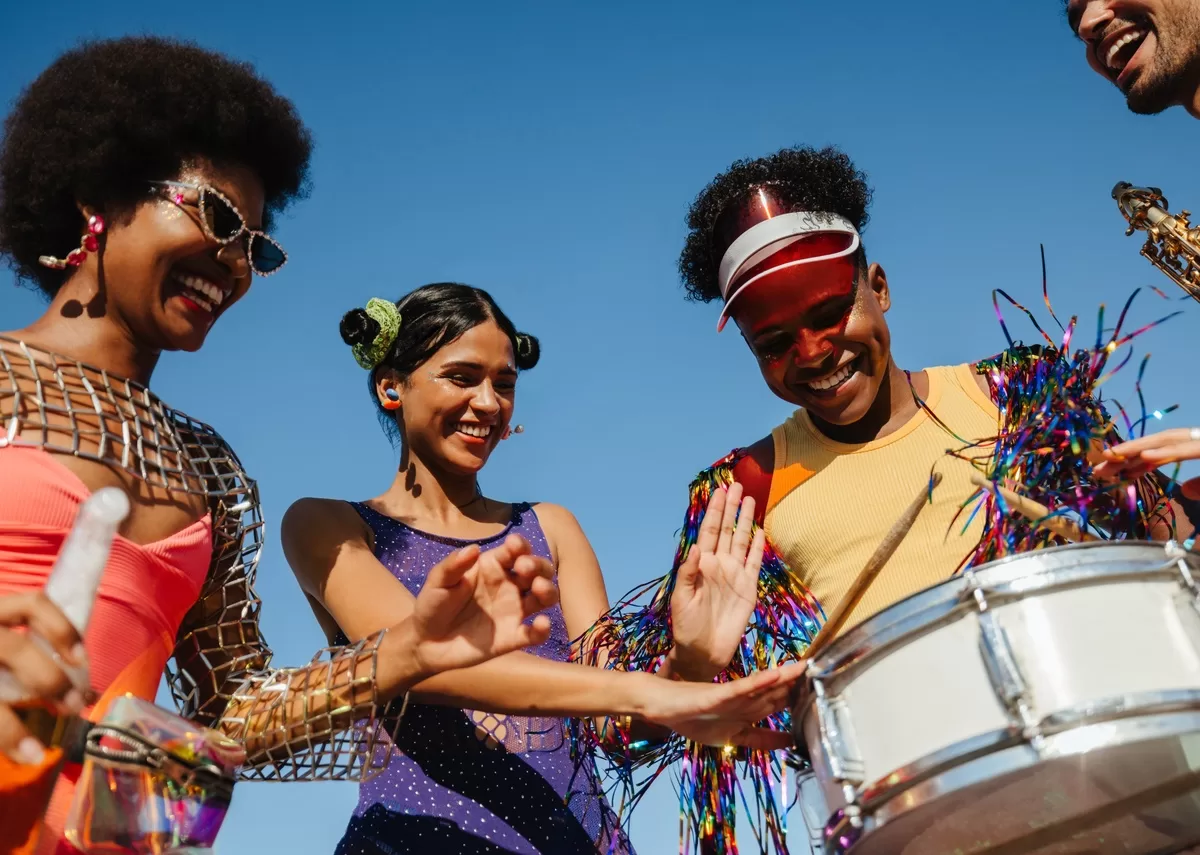
Designing public spaces for multicultural celebrations creates inclusive environments where traditions, cultures, and people thrive together.
BY EMMA RADEBAUGH, ARTCENTRON
Designing Public Spaces for Multicultural Celebrations is Essential
Art and architecture have a wonderful power to bring people together. When architects and planners design public spaces for multicultural celebrations, they take on a special responsibility that goes beyond just making things work. They craft environments where different traditions can come alive, mingle, and thrive side by side.
A well-designed plaza or park becomes a vibrant canvas where communities showcase their heritage through festivals, markets, and gatherings. If you’re helping design a public space for an event, here are some friendly tips to help ensure it’s a success.
Understanding Cultural Spatial Needs
Communities utilize space in distinct ways. Some cultures prioritize intimate, enclosed circles for storytelling, while others require expansive, open areas for large-scale dancing or processions. An effective design accommodates these varying requirements without favoring one group.
Planners who research specific cultural demographics in the area can incorporate features that resonate with the local population. Including circular seating arrangements fosters conversation, while wide pathways allow for parades and movement. This attention to detail validates the identities of those who use the space, making them feel seen and valued within the urban landscape.
The Power of Versatile Infrastructure
Rigid structures often limit how a community can use a venue. Flexibility is a cornerstone of inclusivity. Moveable furniture, adjustable lighting, and multipurpose stages allow a single location to transform from a quiet morning tai chi spot to a vibrant evening bazaar. This adaptability invites various groups to take ownership of the space, molding it to fit their specific cultural expressions.
By avoiding permanent, fixed barriers, designers leave room for the spontaneous evolution of cultural events, allowing the space to grow alongside the community it serves.
Visual Language and Symbolism
Art integration plays a pivotal role in making a space feel inclusive. Murals, sculptures, and paving patterns can reflect the histories and values of the people who gather there. Color choices also carry weight; red might symbolize luck in one culture while representing mourning in another. Thoughtful selection of these elements guarantees the environment communicates respect to all visitors.
When hosting international festivals, the physical setup often dictates the event’s success. Organizers must consider how they represent different nations to avoid diplomatic faux pas or unintended exclusion. For example, designing an event’s flag display demands adherence to specific protocols regarding height and arrangement to show equal respect to all participating countries. Correctly managing these details elevates the sense of dignity and unity within the celebration.
Sensory Experiences and Accessibility
Celebrations engage all senses. Landscape architects can plant diverse flora that releases scents familiar to different parts of the world, triggering nostalgia and comfort. Soundscapes matter too; acoustic design should support both amplified music and quiet prayer.
Furthermore, universal accessibility stands as non-negotiable. Ramps, tactile paving, and clear signage enable older adults and people with disabilities to participate fully in community life. A truly public space removes physical barriers, ensuring that age or ability never prevents someone from joining the festivities.
Cultivating Connection Through Design
Great public spaces act as bridges. They provide a physical location where strangers become neighbors and unfamiliar traditions become shared experiences. When a city commits to designing public spaces for multicultural celebrations, it invests in social cohesion.
These shared environments remind us that while our expressions differ, our need for connection remains universal. By prioritizing flexibility, cultural sensitivity, and inclusivity, designers build the stage for a more harmonious future.
Do you agree that designing public spaces for multicultural celebrations is essential? Share your thoughts. Leave a comment.
