ART NEWS
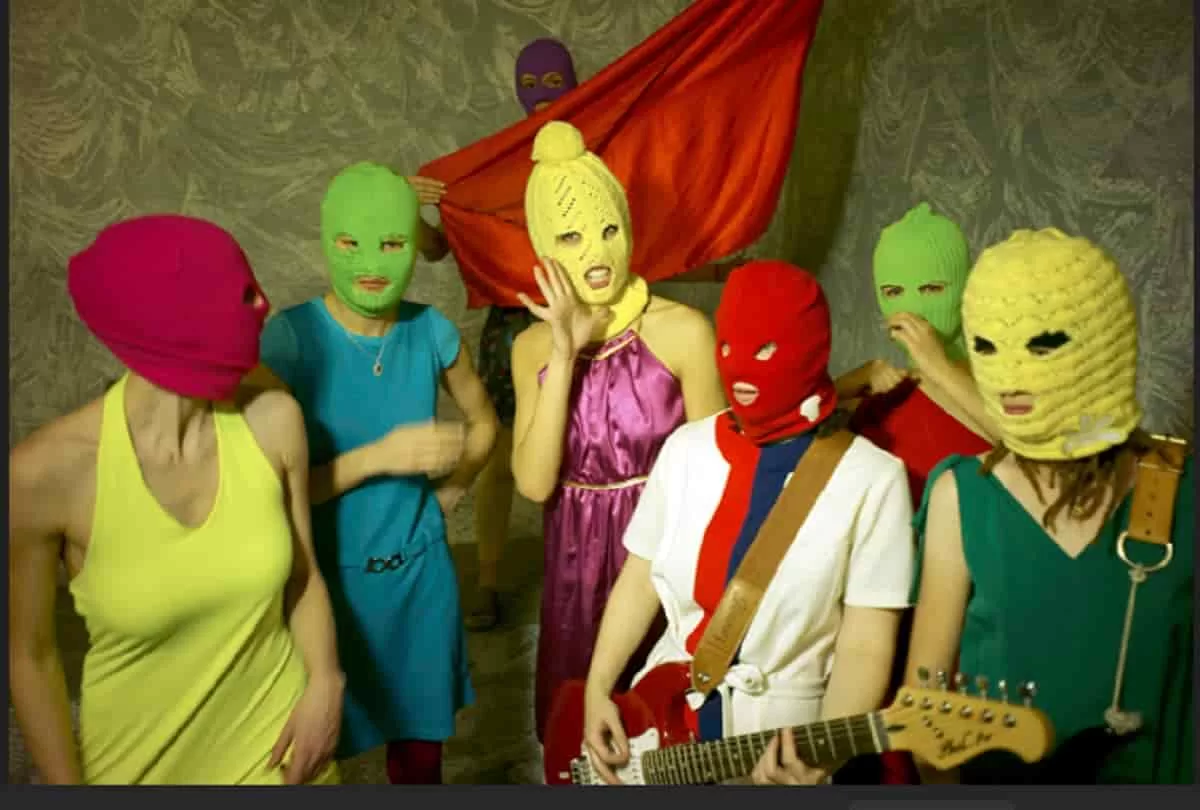
Russia bans Pussy Riot, a feminist punk group, labeling it “extremist.” Here, members of the group perform. Photo: Igor Mukhin. Via Wikimedia CC3.0
Russia bans Pussy Riot after a closed court hearing, branding the feminist punk group extremist and criminalizing support across the country.
BY ARTCENTRON NEWS
MOSCOW — Russia bans Pussy Riot, marking the most definitive action yet against the feminist punk collective that has challenged authoritarian power through music, protest, and performance art for more than a decade. The ruling officially classifies Pussy Riot as an “extremist organization,” a move that effectively outlaws the group and criminalizes support for its work inside Russia. The decision highlights the Kremlin’s growing intolerance of dissent. The Kremlin increasingly treats artists, activists, and critics with international influence as national security threats rather than cultural voices.
Russian Court Outlaws Pussy Riot After Secret Hearing
The ban followed a December 15 hearing at Moscow’s Tverskoy District Court. Russia’s prosecutor general, Alexander Gutsan, filed a lawsuit seeking to prohibit Pussy Riot’s activities nationwide. The proceedings were held behind closed doors, and the ruling took effect immediately.
Under Russia’s sweeping extremism laws, the consequences are severe. All Pussy Riot-related activity is now illegal. Sharing the group’s content online can lead to criminal charges. Authorities also have the power to seize property and freeze assets connected to the collective. Legal experts say these laws are intentionally broad, allowing peaceful protest and artistic expression to be punished as extremism.
Nadya Tolokonnikova Responds to the Ban
Nadya Tolokonnikova, co-founder and the most prominent member of Pussy Riot, said the ruling adds intense psychological and legal pressure to her life. She confirmed that the group will appeal the decision, although she expressed little confidence in the independence of Russian courts.
Tolokonnikova warned that extremist designations often harm innocent people. Family members can lose their homes. Friends can face prosecution simply for staying in contact. While most Pussy Riot members now live outside Russia, many of their loved ones remain inside the country and are now at serious risk.
From Punk Protest to Prison Sentences
Founded in 2011, Pussy Riot emerged as a feminist art collective that combined punk music with political protest. The group gained worldwide attention in 2012 after staging a performance inside Moscow’s Cathedral of Christ the Saviour. The protest criticised the close relationship between President Vladimir Putin and the Russian Orthodox Church.
That action led to Tolokonnikova’s imprisonment for nearly two years on charges of hooliganism motivated by religious hatred. Since then, Pussy Riot members have faced repeated arrests, surveillance, and escalating criminal cases. In September, a Moscow court sentenced five members of the group to prison terms ranging from eight to 13 years. The charges accused them of spreading “false information” about the Russian military, a law frequently used to silence opposition to the war in Ukraine.
Why Russia Uses Extremism Laws to Ban Pussy Riot
The extremist label has become one of the Kremlin’s most powerful tools. The use of the extremism label follows a pattern of legal persecution, including the recent jailing of five members for spreading “false information” about the Russian military. Once applied, it removes organizations from public life entirely. Critics argue the term no longer refers to violence but is instead used to crush political opposition, independent media, LGBTQ+ activism, and protest art.
In 2023, Tolokonnikova was added to Russia’s wanted list after authorities accused her of offending religious beliefs. The charges followed Putin’s Ashes, a performance in which she and other women burned a large portrait of Vladimir Putin while wearing balaclavas. The act drew global attention and sharp condemnation from Russian officials.
A Global Symbol of Resistance
Although Russia bans Pussy Riot domestically, the collective’s message continues to reach audiences worldwide. From exile, its members remain outspoken advocates for free expression, women’s rights, and political freedom.
The ban does not erase Pussy Riot’s impact. Instead, it reinforces the group’s role as a symbol of resistance. As Russia bans Pussy Riot, the decision sends a chilling warning to artists everywhere while confirming the enduring power of protest art to challenge authoritarian rule.
