LIFESTYLE
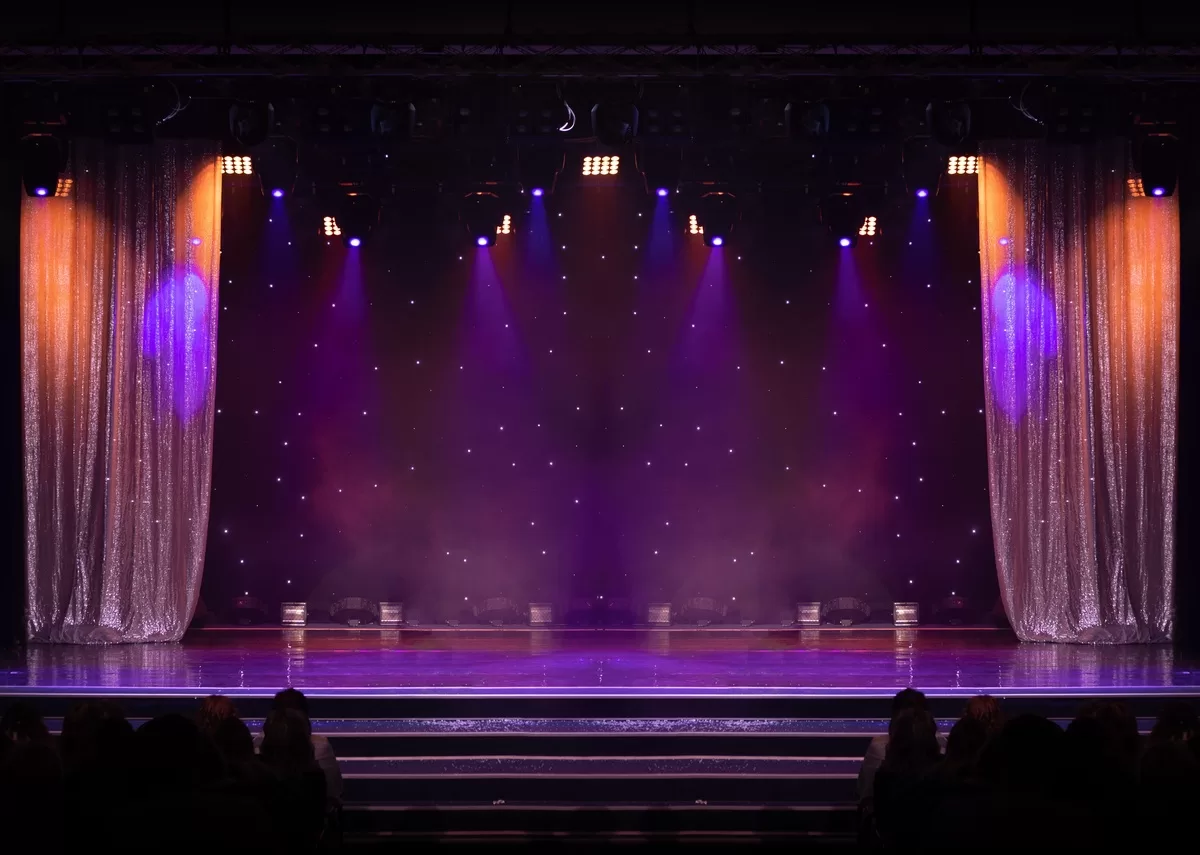
Uncover how the evolution of theater design merges art and innovation, using modern tools to bring directors’ visions to life in unforgettable ways.
BY EMMA RODEBAUGH, ARTCENTRON
Theater has always brought human creativity center stage. From ancient Greek amphitheaters to Shakespeare’s Globe, the heart of storytelling has endured—but how productions come to life has changed dramatically. Today’s fusion of art and technology creates theater experiences that early audiences could never have imagined.
Instead of relying on flat painted backdrops, today’s productions engage every sense and blur the boundary between fiction and reality. Modern theater proves just how powerfully artistic vision and technical ingenuity can come together.
How Technology Redefined the Stage
Long ago, a lone chair might stand in for a royal throne or painted cloth for a magical forest. As technology advanced, so did the spectacle. Take gas lighting: when it appeared in the 1800s, it added a whole new dimension to mood and atmosphere, beyond what flickering candles ever could.
Fast forward to today. Stages are reimagined in an instant with digital projections. A scene can shift from a city at dusk to an underwater kingdom with the press of a button. Sophisticated stage automation moves massive structures with pinpoint precision and silence, all timed to perfection by automated controls.
How Art and Automation Create Immersive Worlds
If there’s one technical leap that has truly changed the theater, it’s the rise of advanced rigging. The evolution of rigging systems now lets creatives pull off scene changes that once seemed impossible, such as flying actors, shifting full set pieces in seconds, or lowering breathtaking props from the rafters. Robust setups and counterweighted fly systems are essential for the kind of visually rich performances audiences now expect. Anyone fascinated by the nuts and bolts of this pairing between artistry and mechanics will appreciate how rigging has quietly transformed what’s possible onstage.
These innovations happen because artists and technicians work side by side, each bringing their expertise.
- Set designers use 3D modeling software to build and refine visual concepts well before construction begins.
- Lighting designers harness LEDs, color mixing, and moving fixtures to paint each moment with light and shadow.
- Sound designers layer effects and music to place the audience right in the middle of the narrative.
The result is a unified vision that pulls the audience into each performance.
What Does the Future of Theater Design Hold?
The intersection of artistry and technology keeps pushing boundaries. Virtual and augmented reality are inching into productions, letting the audience step inside imagined spaces. As these digital tools become more accessible, they’ll open even more doors for creators and draw in audiences in new ways.
Ultimately, the evolution of theater design isn’t about technology stealing the spotlight; it’s about making stories hit harder. This is where art meets technology. Projection mapping, AI-driven lighting, and immersive soundscapes become tools in service of emotion, not replacements for it. They expand what’s possible, turning concepts that once lived only in a director’s imagination into tangible experiences. But no matter how sophisticated the tech becomes, the stage remains what it’s always been—a shared space where stories make us feel something real.
