LIFESTYLE
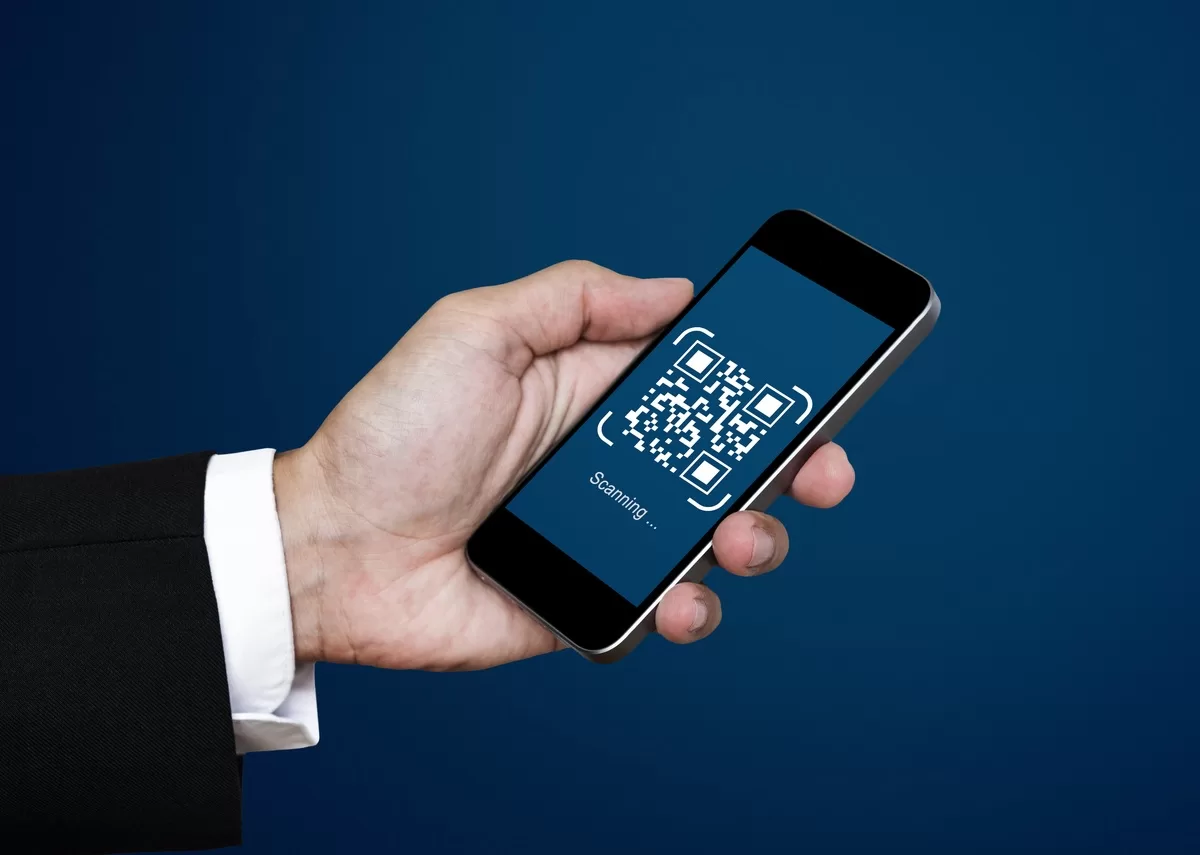
Engaging visitors with QR codes on museum signage empowers museums to offer digital insights, richer stories, and modern interactive experiences.
BY EMMA RADEBAUGH, ARTCENTRON
Museums are always on the lookout for new ways to connect with their audiences and create meaningful experiences. As digital tools become part of daily life, visitors arrive expecting interactive and customizable options when they explore a museum. While traditional placards and labels still provide essential context, they often turn into one-way communications. Today’s technology lets you open up the conversation. By adding QR codes, museums bridge the gap between timeless exhibits and the interactive features that modern visitors appreciate. Simply put, engaging visitors with QR codes on museum signage transforms static displays into engaging, two-way exchanges that spark curiosity.
How Do QR Codes Enhance the Experience?
Quick Response (QR) codes open the door to a wealth of digital content. All it takes is a quick scan with a smartphone for visitors to get access to extra details—far beyond what a small plaque offers. This easy access to additional materials deepens visitors’ understanding and helps them appreciate each exhibit on a whole new level. Families can find hands-on activities, students can tap into academic resources, and art enthusiasts can discover behind-the-scenes details.
Museums can use QR codes to offer:
- Behind-the-scenes artist videos
- Audio insights from curators or historians
- Links to related articles and research
- Interactive 3D models of artifacts
- Updates about upcoming events and workshops
- Educational games for young guests
This approach lets every visitor customize what they learn and experience, making each trip unique and memorable.
What Are the Best Practices for Implementation?
Integrating QR codes effectively means focusing on placement, design, and user accessibility. Install codes at spots that are easy to reach and scan without interfering with the art itself. Vary installation heights so everyone, whether they’re kids, adults, or individuals with limited mobility, can access them easily. Be mindful of where lighting and reflections land, since any glare can make codes hard to scan. Be clear with your calls to action, too: prompts like “Scan for the artist’s interview” or “Explore an artifact’s story” show visitors what each code offers.
Always test QR codes with multiple devices and under different lighting before unveiling them to the public. For outdoor displays or areas with heavy traffic, the quality of the sign matters just as much as the digital content. Using durable materials ensures the sign lasts for years and maintains the polished look that reflects a museum’s attention to detail. Damaged or faded signs don’t just look bad; they can keep visitors from using the codes altogether.
How Can Signage Drive Future Engagement?
QR codes go beyond one-day visits and offer ways to build ongoing connections with visitors. Posting codes in entryways or gathering spaces makes it easy to share newsletters, encourage social media follows, and inspire people to become members. These strategies extend the relationship past the museum doors. By thoughtfully engaging visitors with QR codes on museum signage, museums not only enhance the in-person experience; they also create active, lasting communities around their collections.
Do you think engaging visitors with QR codes on museum signage is an effective way to captivate audiences? Share your thoughts. Leave a comment.
